

Монгол | Mongolia
An Utterly Staggering Slice of Earth

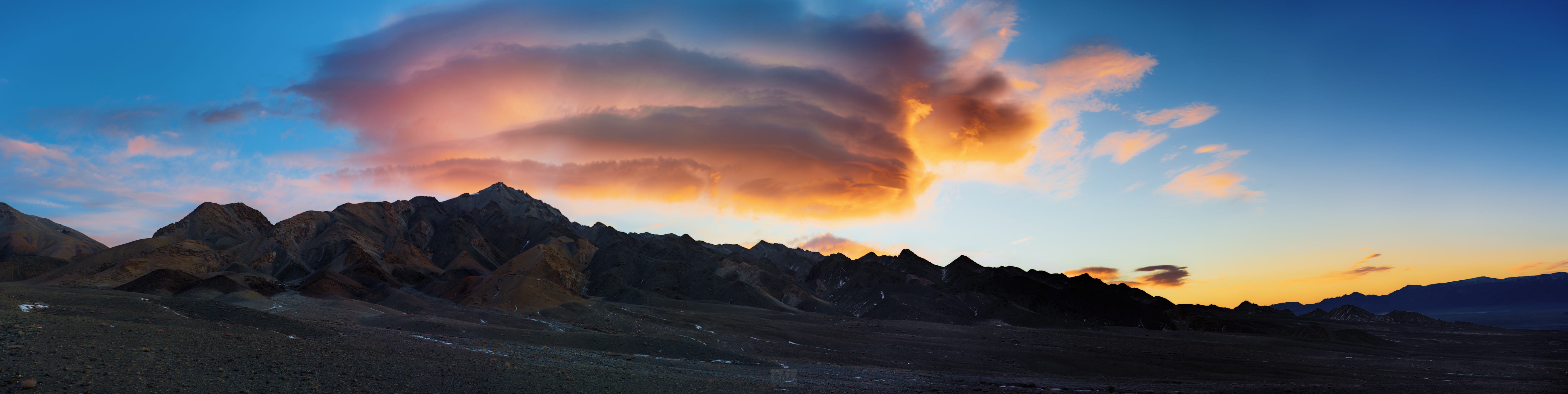
Sorry, I know it’s been a while since my last update. I’ve been working on some other things, off on different adventures, and dealing with a whole mess behind the scenees. If you’d like to watch a video of my trip, please do so here!
I’d also really appreciate it if you subscribed! Otherwise, feel free to keep reading!
Mongolia is an astounding place. It’s a land so vast, a culture so rich, and an experience unlike any other.
To the east, there are endless pristine, untouched grasslands, one of the last of its kind on Earth. In the south, the world famous Gobi Desert, the largest cold winter desert in the world. Over by the west, the stunning Altai Mountains, reaching over 4000m (13,123ft) tall and over 2500km (1500 miles) in length. And finally up in the north, alpine forests interconnected by extensive networks of lakes and wetlands.
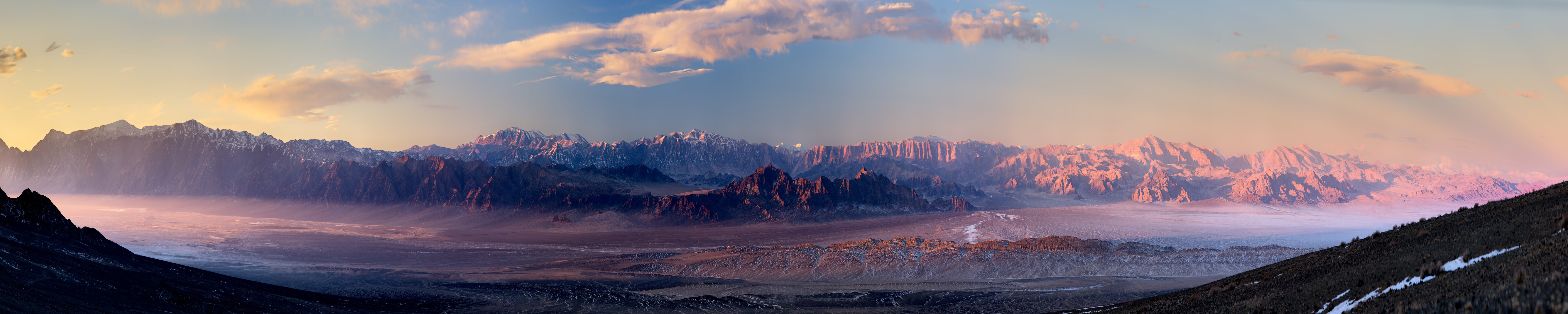
Despite being the coldest capital city in the world, Ulaanbaatar (shortened to Ubi by locals) is home to over 1.7 million people - just about half of Mongolia’s entire population of 3.6 million. The other half are scattered across the land, an area three times the size of Spain.
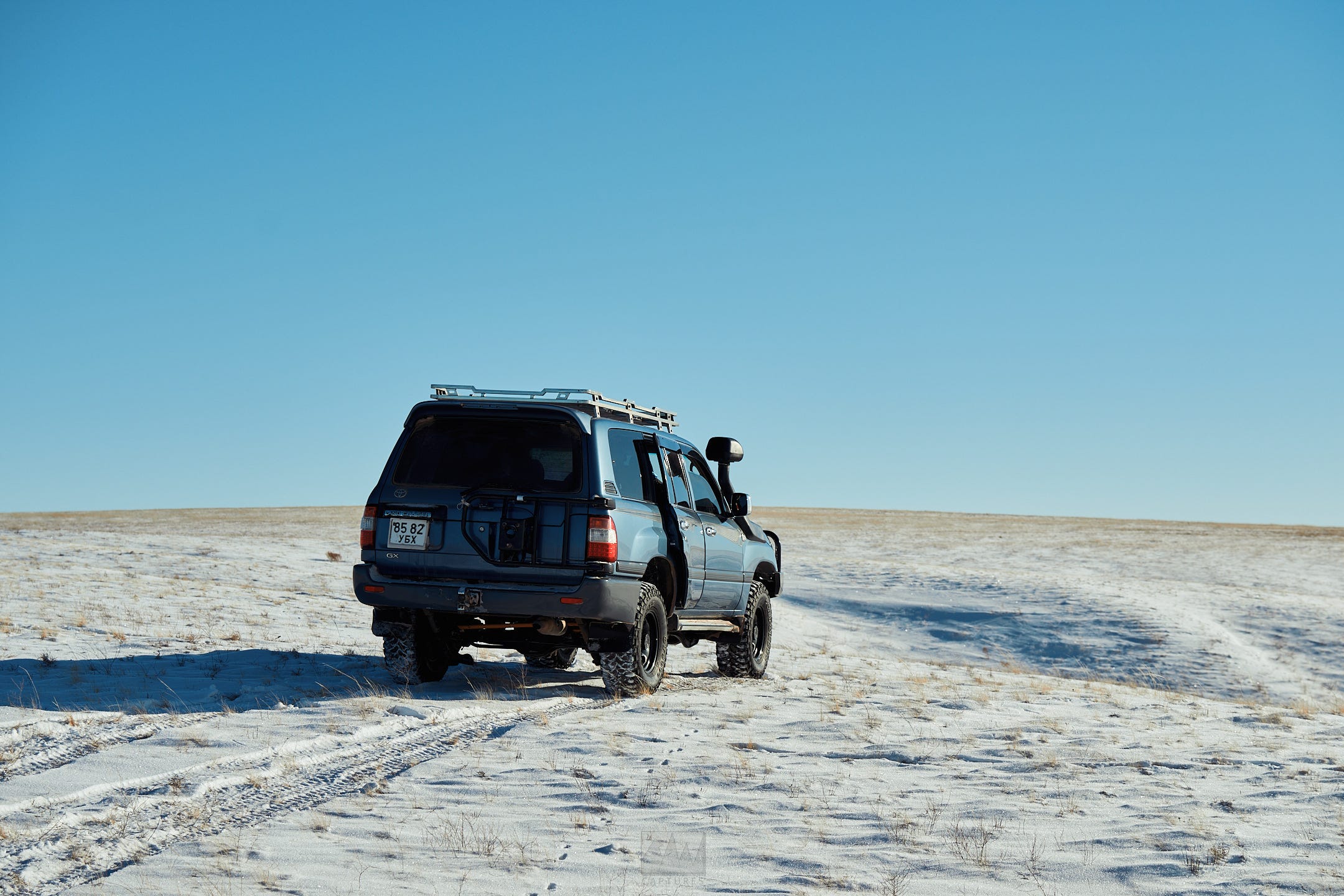
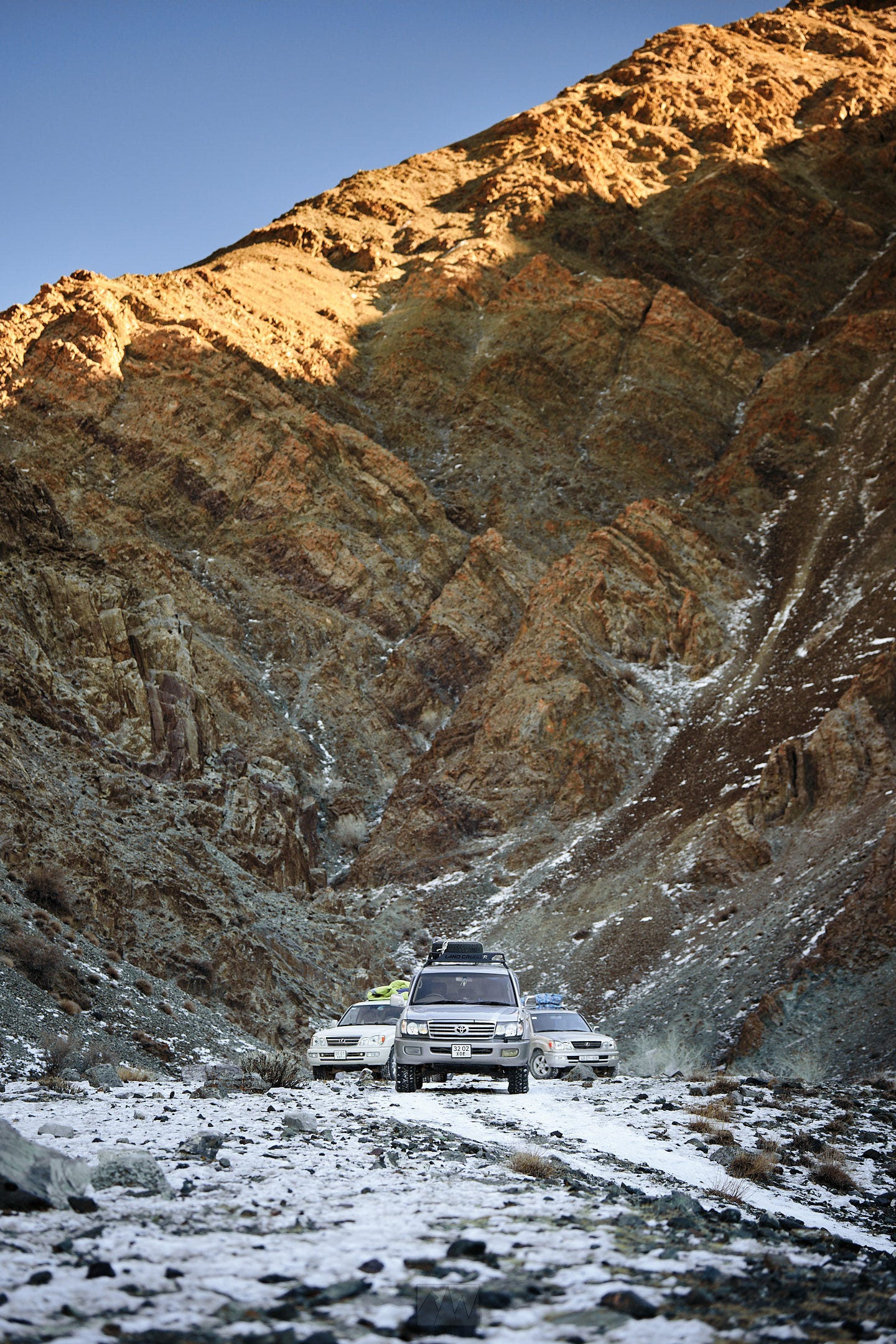
This makes Mongolia the least densely populated country on earth, and each time we’d step outside the city, that fact made itself very apparent. Outside the city, it’s just us, a couple Land Cruisers, and the land. No concrete, no asphalt, no infrastructure, nothing. Not even a dirt road. Out here it was just…magical.
After taking what would be my last proper shower for the next month, we fly west to the Khovd aimag, starting our search for cats across the expansive Altai Mountain range.
Irves, Uulin Ezen, the Ghost of the Mountain.
In this part of the world, the snow leopard holds many titles. She lives up to them all, and its not hard to see why.
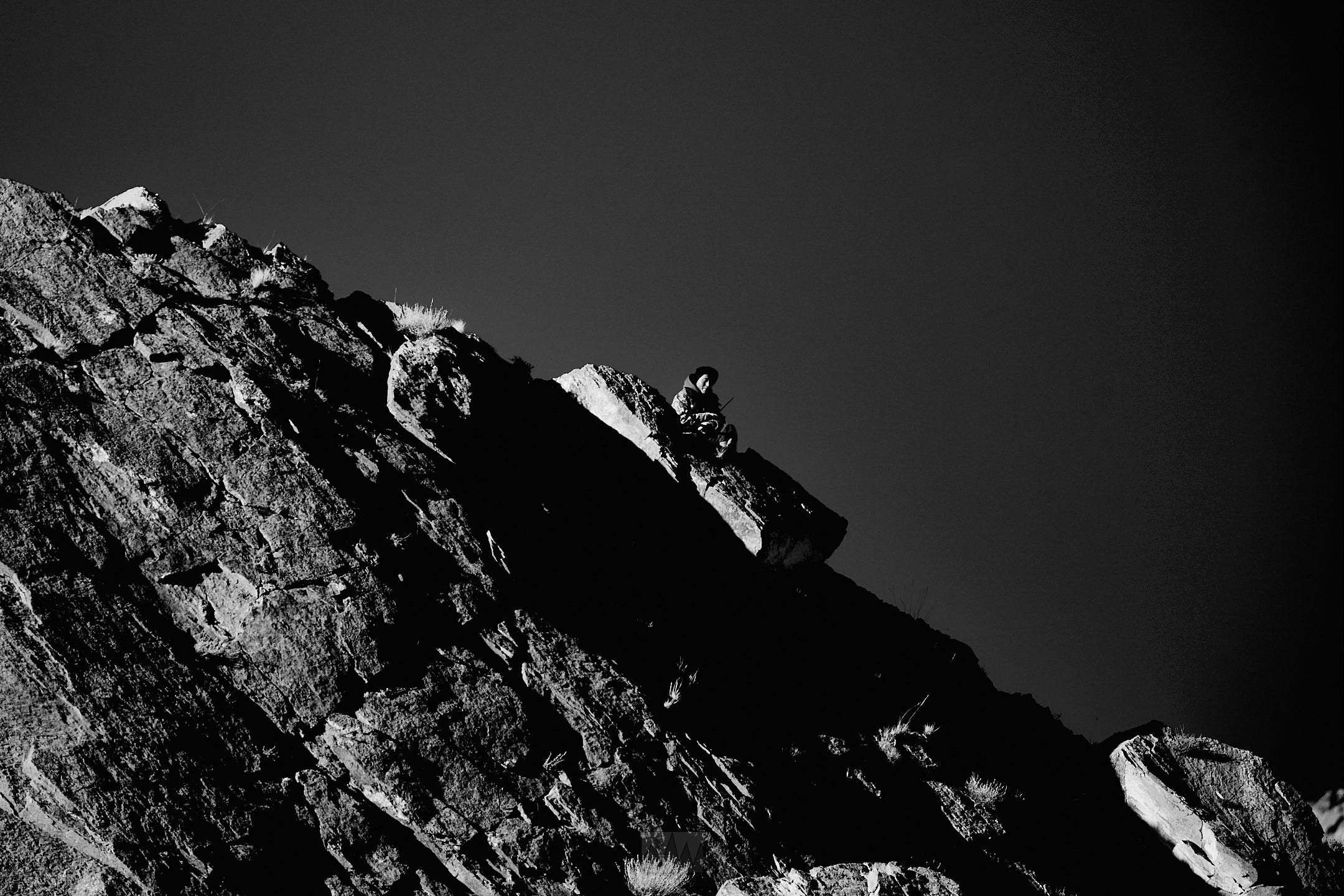
Mystical, invisible, and domineering. A presence commanding, yet fleeting. At altitudes of over 5000 metres, the snow leopard is the only apex predator in the world that finds itself comfortable at these heights, where oxygen levels are half that of sea level.
It’s in these jagged cliff edges, rocky outcrops, and deep ravines that the cats call home. With the elevation granting them watch over their territory, the terrain offers them shelter from unexpected guests, like myself.
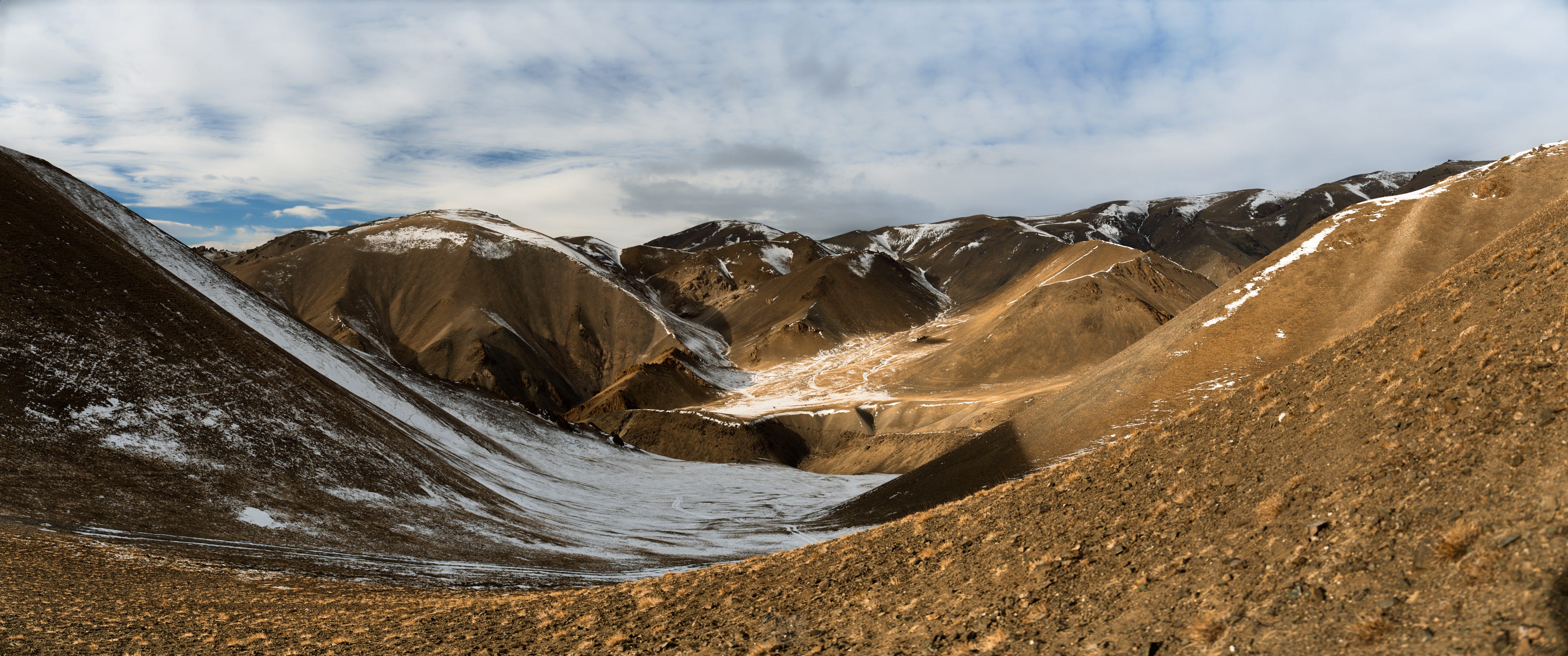
With a coat that perfectly matches their surroundings, every sighting of this elusive creature feels like a gift. Day after day, we drove, climbed, hiked, and sat for hours on end, hoping for just a glimpse of this beautiful animal.
Granting us anywhere from a few seconds to a few hours of their time, these moments, as distant and fleeting as they were, felt like nothing short of magic.
The respect these cats command is well deserved. Mongolian winters are harsh and unforgiving, often dropping well below -50 celsius. The Altai is steep, and its surface entirely loose. The air is thin, and so is the availability of prey. After all, these conditions tend to be quite incompatible with life.
As such, snow leopards tend to be opportunistic hunters, happy to eat anything they can get their massive paws on.
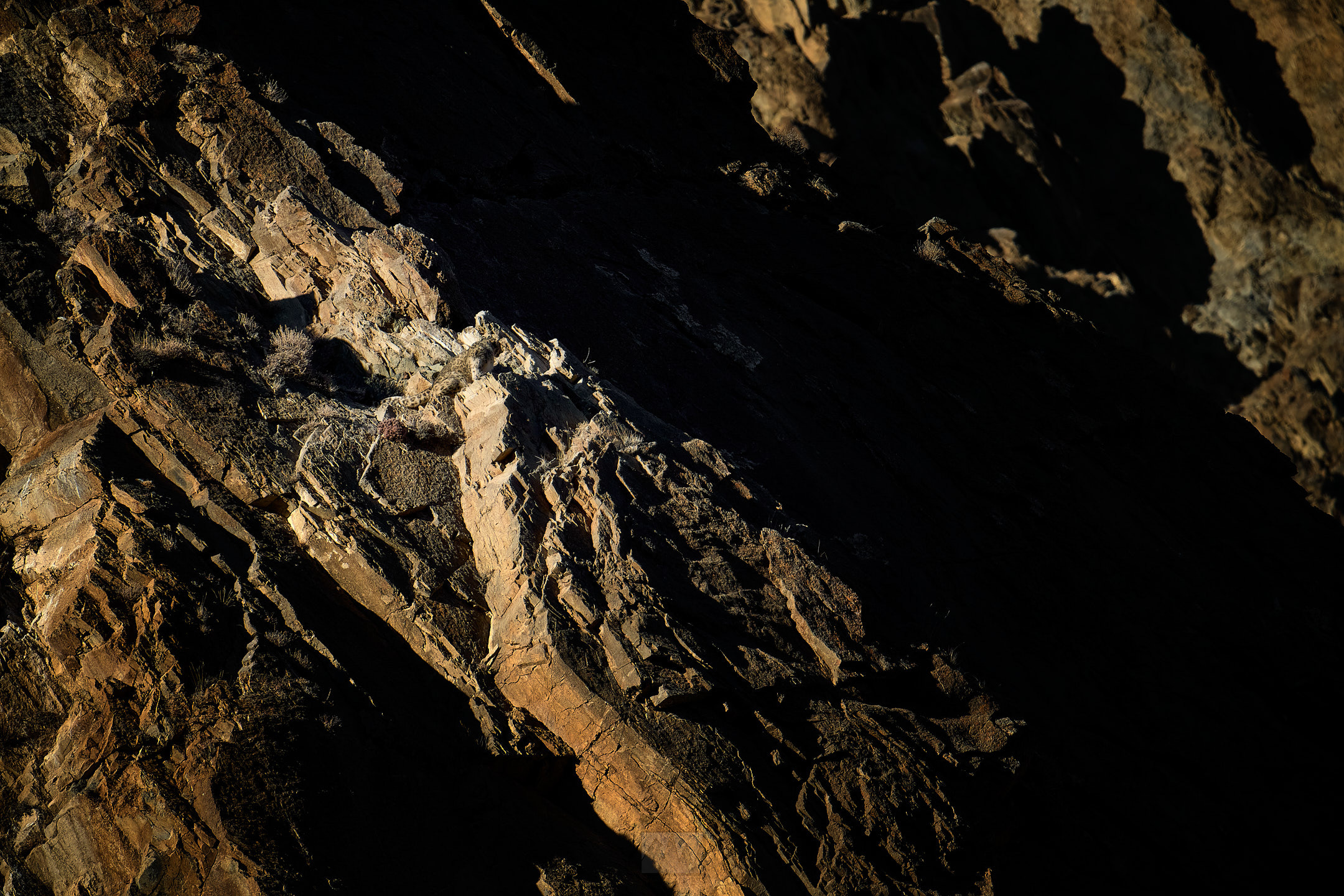
Largely solitary, not super territorial, and a fan of treks - up to 30km (19 miles) a day. If it wasn’t already hard enough to find these cats, they really don’t care to stay in one spot. Being the only apex predator around comes with many benefits, and with such a large home, they disguise themselves well in the terrain.
There are less than 5,000 snow leopards left in the wild. With about 1,000 individuals, Mongolia has the second largest population of snow leopards in the world, behind China. And in this specific 50km (31 miles) radius of the Altai, there are at best, no more than 5.
Over here in western Mongolia, it’s been an incredibly warm winter, adding to the challenge. With the thickets fur coats of all the big cats, snow leopards linger at high altitudes to prevent themselves from overheating.
Unfortunately for us, “warm” in Mongolia is still -20c (-4f).
It doesn’t get too cold for these cats until it’s about -30c (-22f) or -40c (-40f), where they’ll then descend to lower altitudes, making them ever so slightly easier to spot.
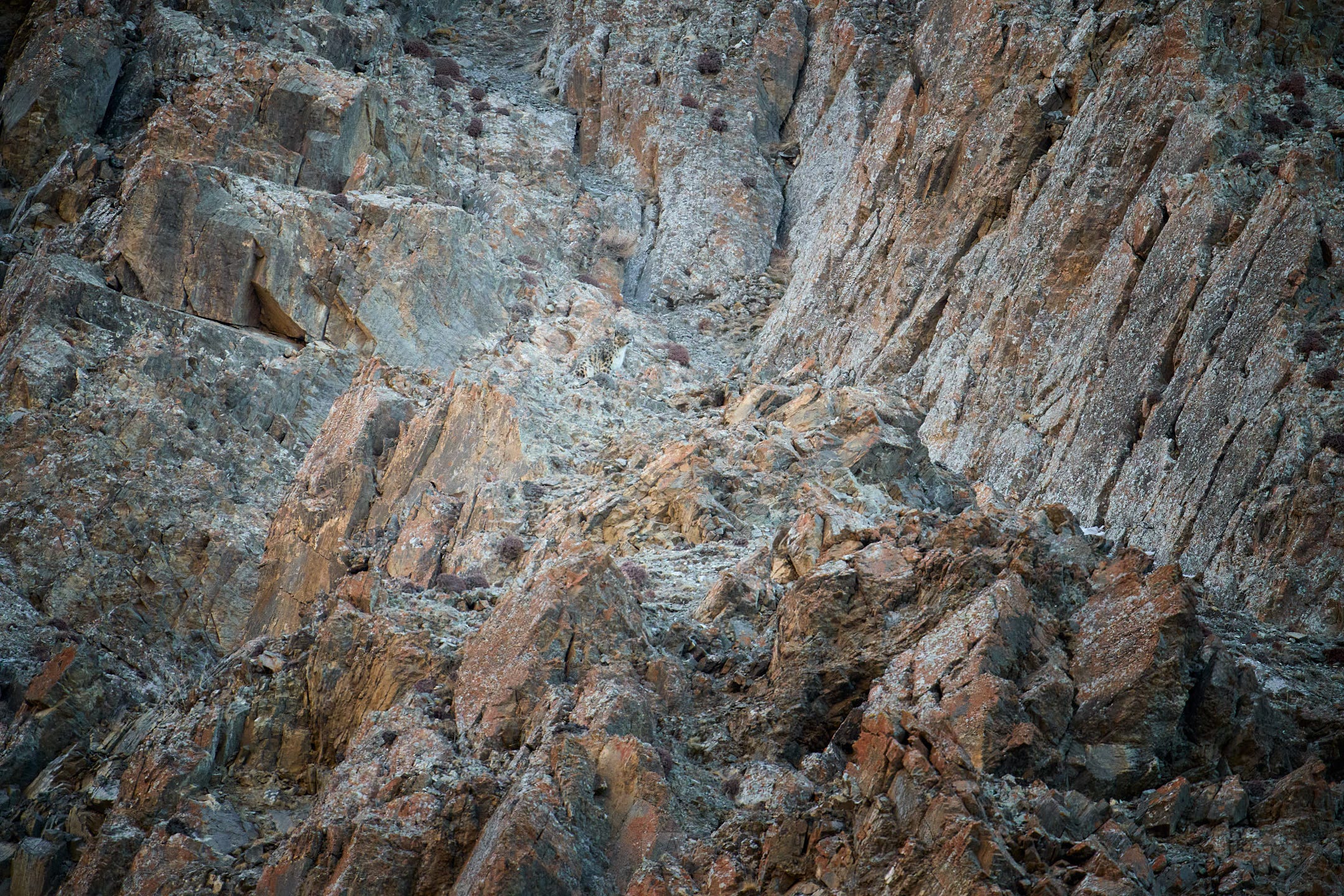
Classed as a big cat, snow leopards grow to about 1.5m (4ft 11in) in length, and weigh about 55kg (120lbs). Despite sounding quite small, it’s easy to forget that they’re pure muscle and have a bite strength of up to 600 PSI. Our domestic cats at home are only good for up to 70 PSI.
Snow leopards are the best jumpers of all the cats. With extremely powerful hind legs, they’re capable of leaping distances of over 15m, a ridiculous 10 times their height.
Snow leopards have some of the longest tails of any cats, growing easily as long as their bodies. In a landscape as slippery, steep, and uneven as this, they need every bit of purchase they can get, swinging their tails around to counter their body weight for maximum balance.
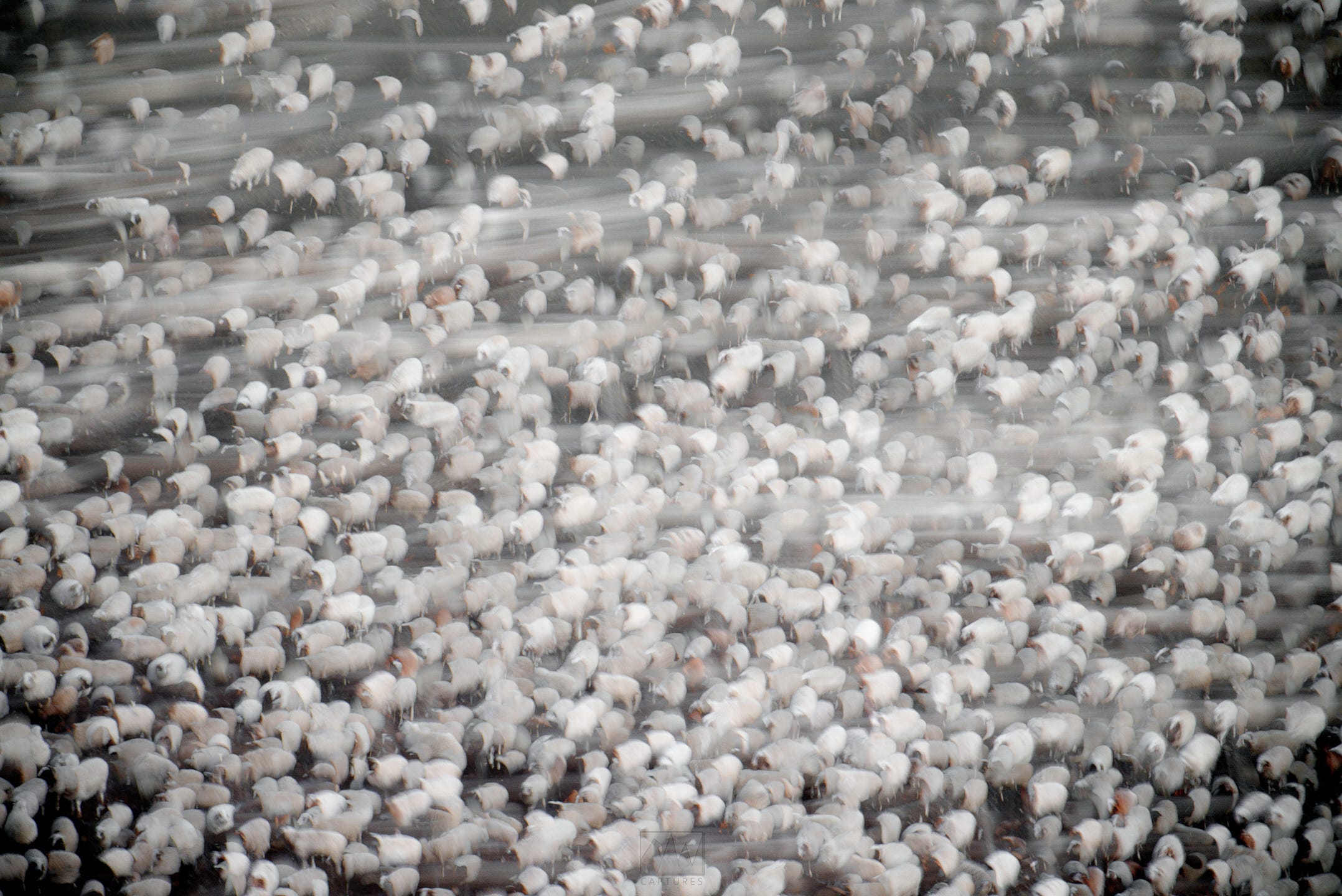
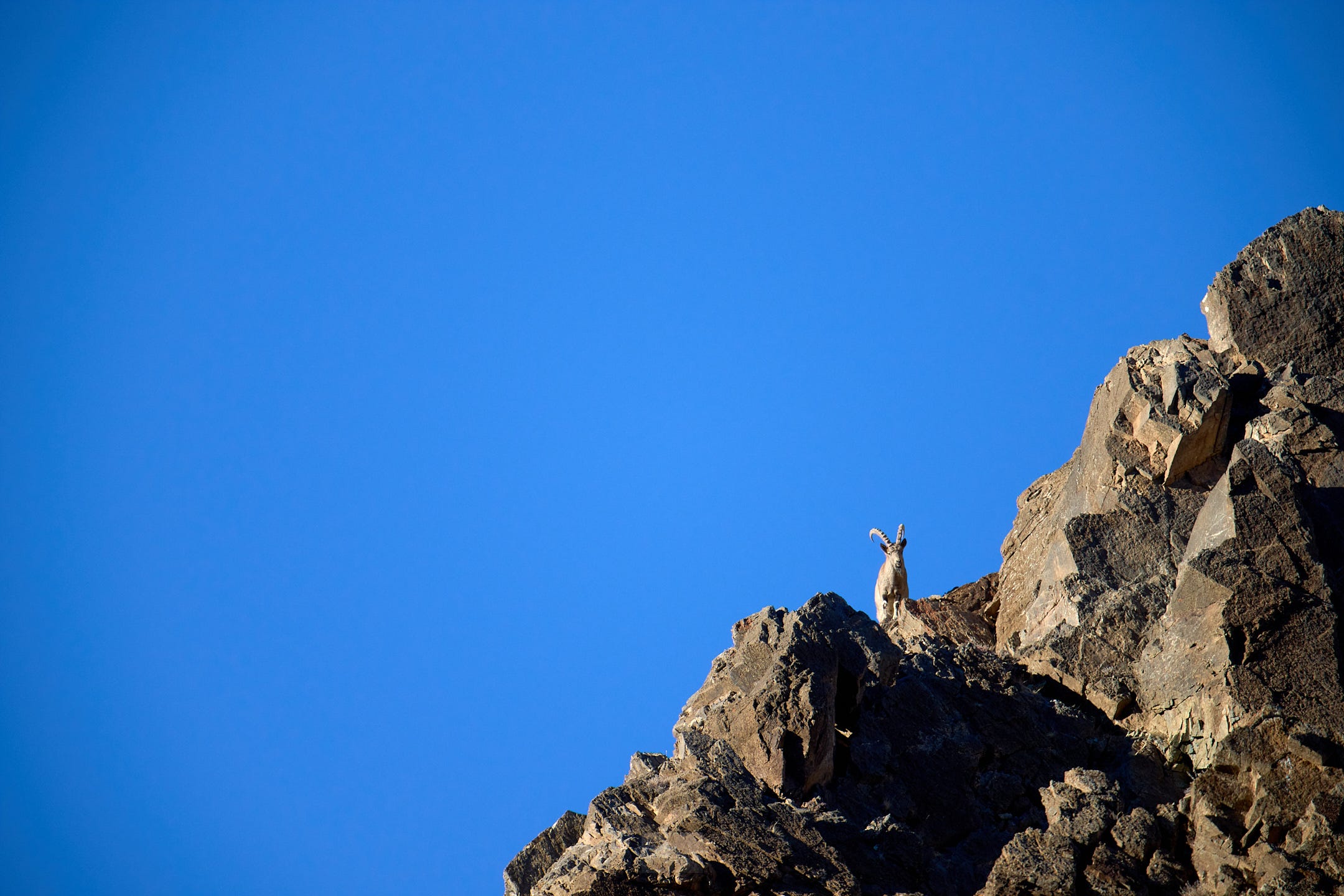
In these valleys, cliff edges, and peaks, the main prey of the snow leopard is the Siberian ibex. They occasionally enjoy some pikas, marmots, and birds, but they’re more akin to snacks than a full meal.
With the climate changing so rapidly, so must the behaviors of the cats. Less prey means casting a wider net, often one that includes livestock from local herders. One problem compounding into the other, the snow leopard finds itself waging a war on two fronts - all by itself. Thankfully, our work here means that in exchange for covering the loss of a goat, we’re given information and assistance on locating the leopards, allowing us to cover more ground in our search.

Life in Mongolia is…unique. Its roads unpaved, trails forged new. If you can get there, it’s your right to go. Despite being surrounded by Russia and China, Mongolia has found a way to remain distinctly, uniquely, and unquestionably themselves.
After several days of not-so-great sightings and a couple more days of no sightings at all, we learned that the son of one of our rangers was participating in the annual camel race. Not knowing what to expect, we invited ourselves in and partook in the chaos that ensued.
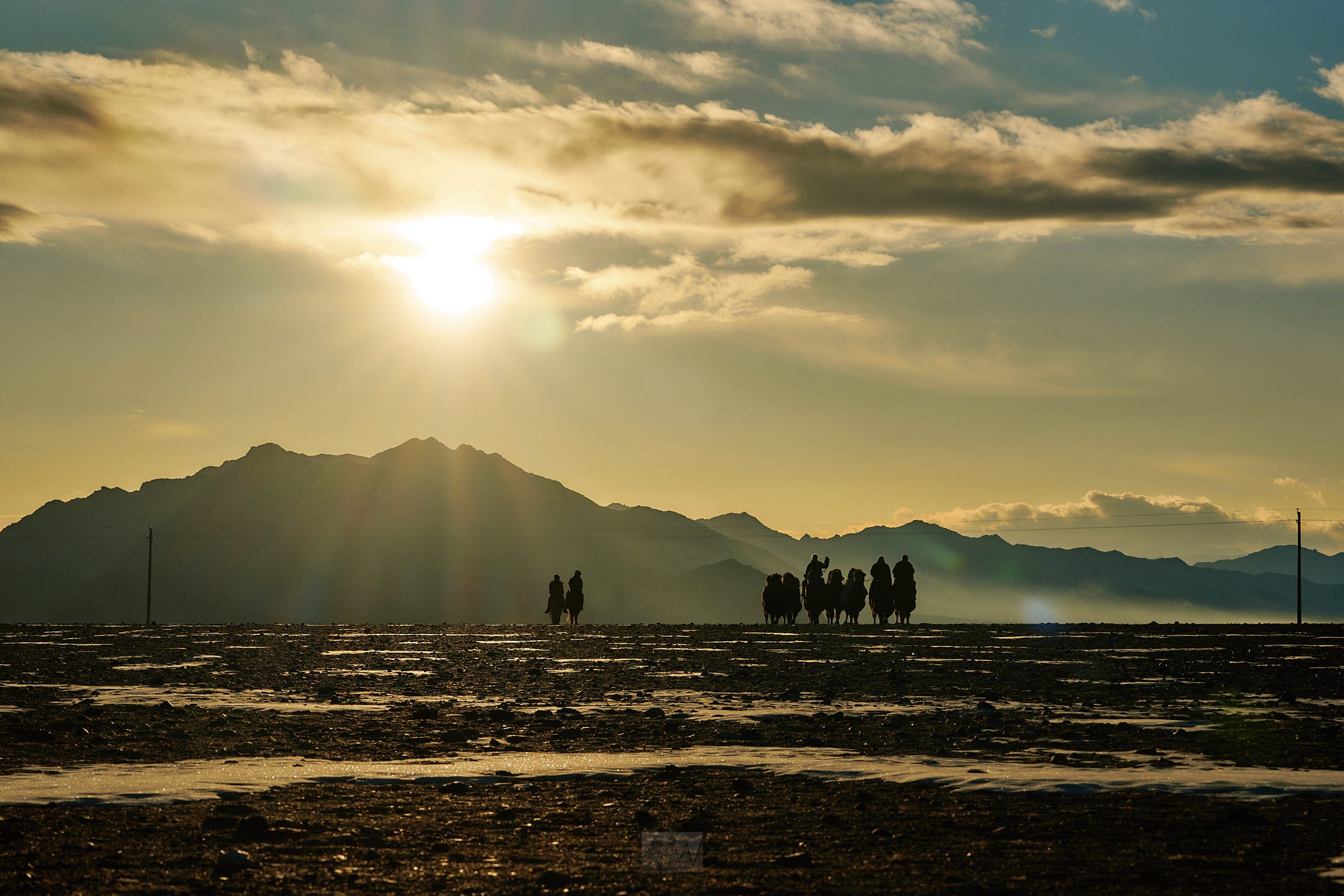
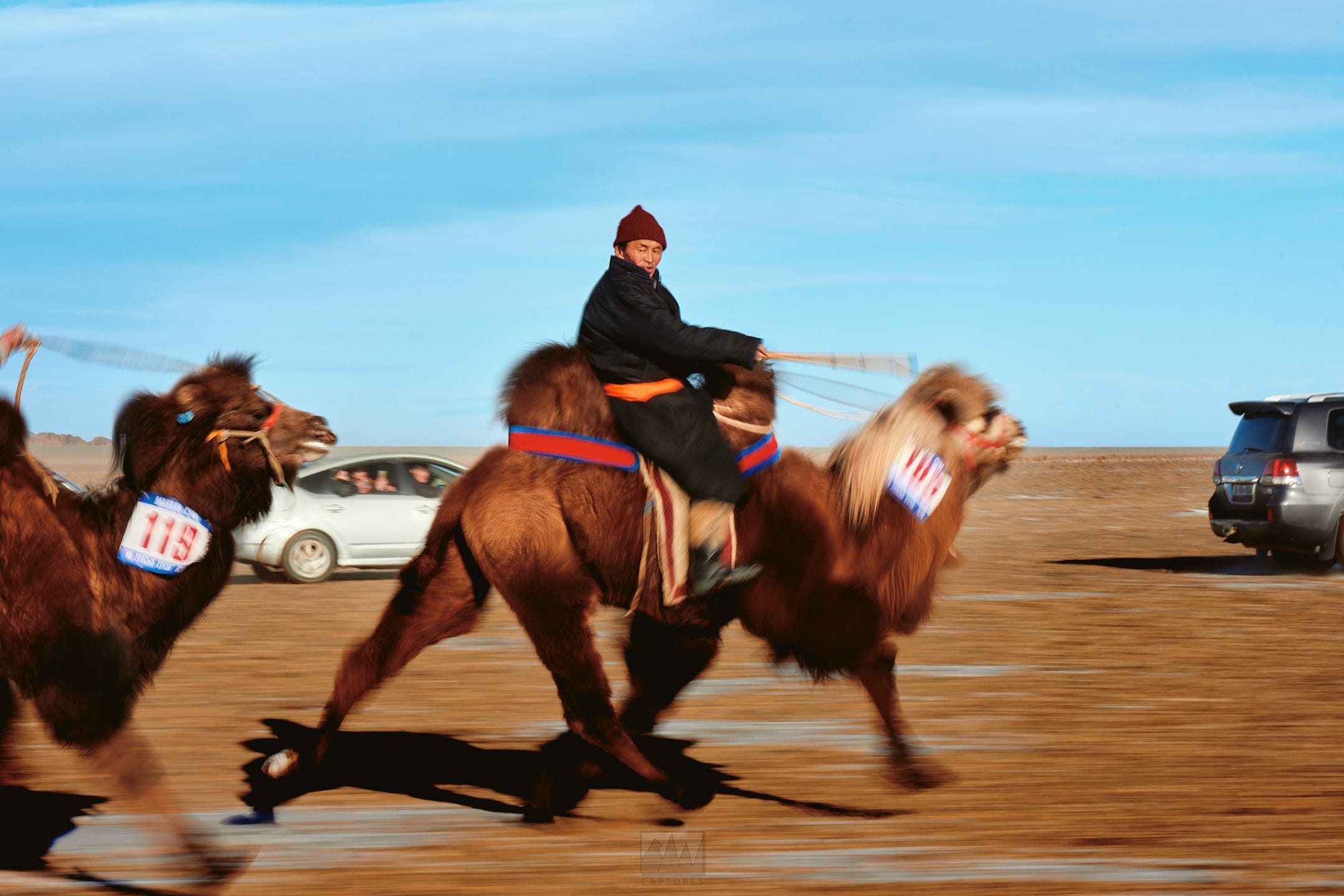
A hundred camels, a hundred Toyota Prius’ and a hundred Mongolians all decked out in traditional wear, gathering at this seemingly undisclosed location, out at the edges of the Gobi. With no grandstands, stadiums, or race track, spectators joined in the melee and rode alongside with their cars.
Sometimes when I’m out on these trips, I find myself wondering what the hell I’m doing. Stood here, watching the dust fly, the camels run, and the cars race forward towards us, I was definitely wondering that. Luckily, camels run a LOT slower than expected.
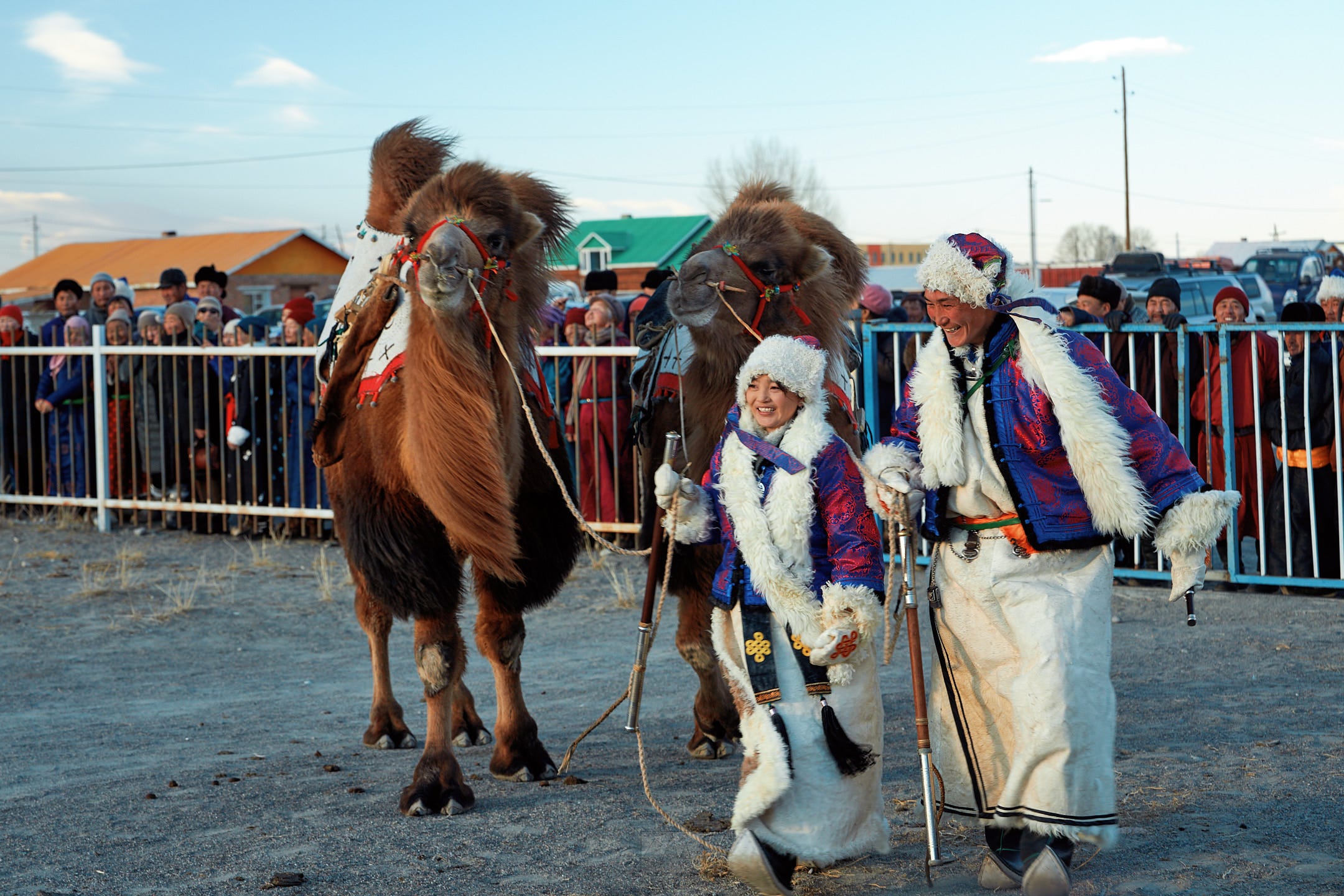
Despite the races concluded, the day was not yet over. This parade of camels and priuses marched into town, continuing the festivities with a fashion show.
Pairs of riders wearing heritage outfits from their ancestors, different regions, or different times in history showed off their dress - with their camels matching, of course.
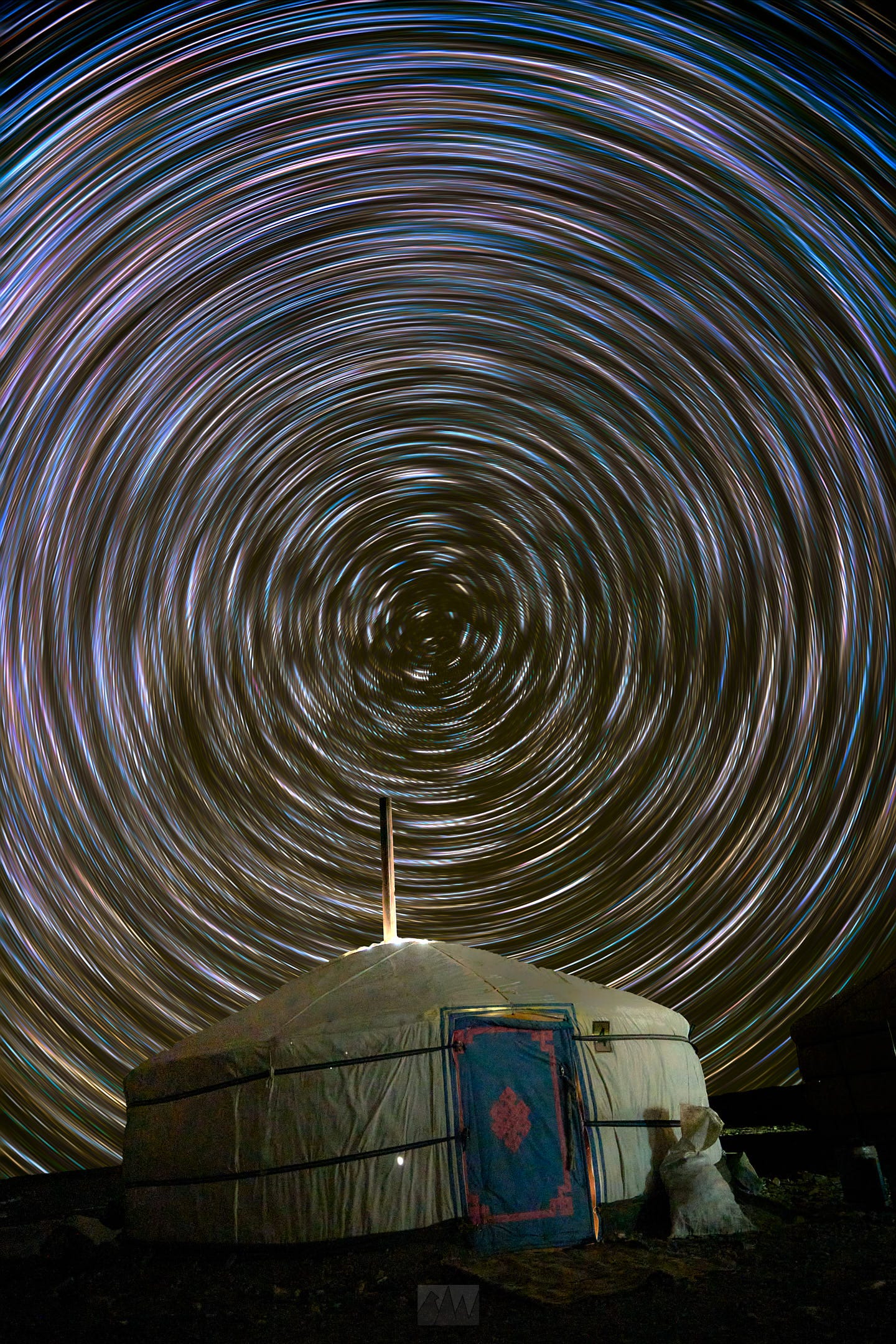
On an average of 260 days out of the year, skies in Mongolia are exceptionally clear. Locals attribute this to Tengri, a sky diety known as the Eternal Blue Sky
Batteries recharged, morale restored, we make a final push in our search for the snow leopard.
Having spotted one running off the side of a cliff, we climbed up to nearly 4000m (13k ft) on our final, and coldest day of the trip thus far. While it was merely a warm -30c (-22f), the relentless winds at this altitude plummeted temperatures to -47c (-52f).
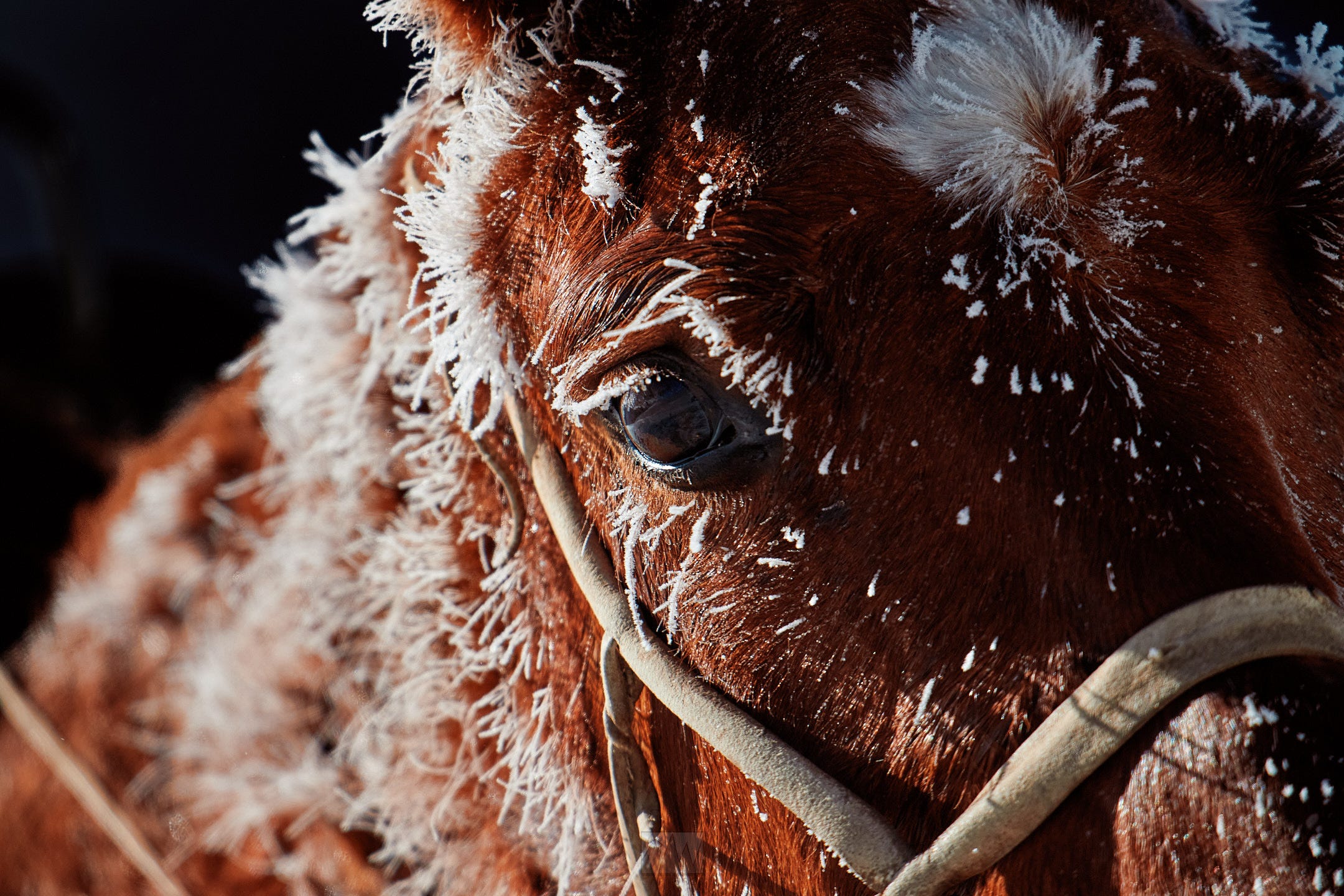
Again, our efforts yielded little result. After hours of bordering on the edge of frostbite, the cat retreated to a cave and showed no signs of leaving. It seems that this time, the lord of the mountain didn’t choose us.
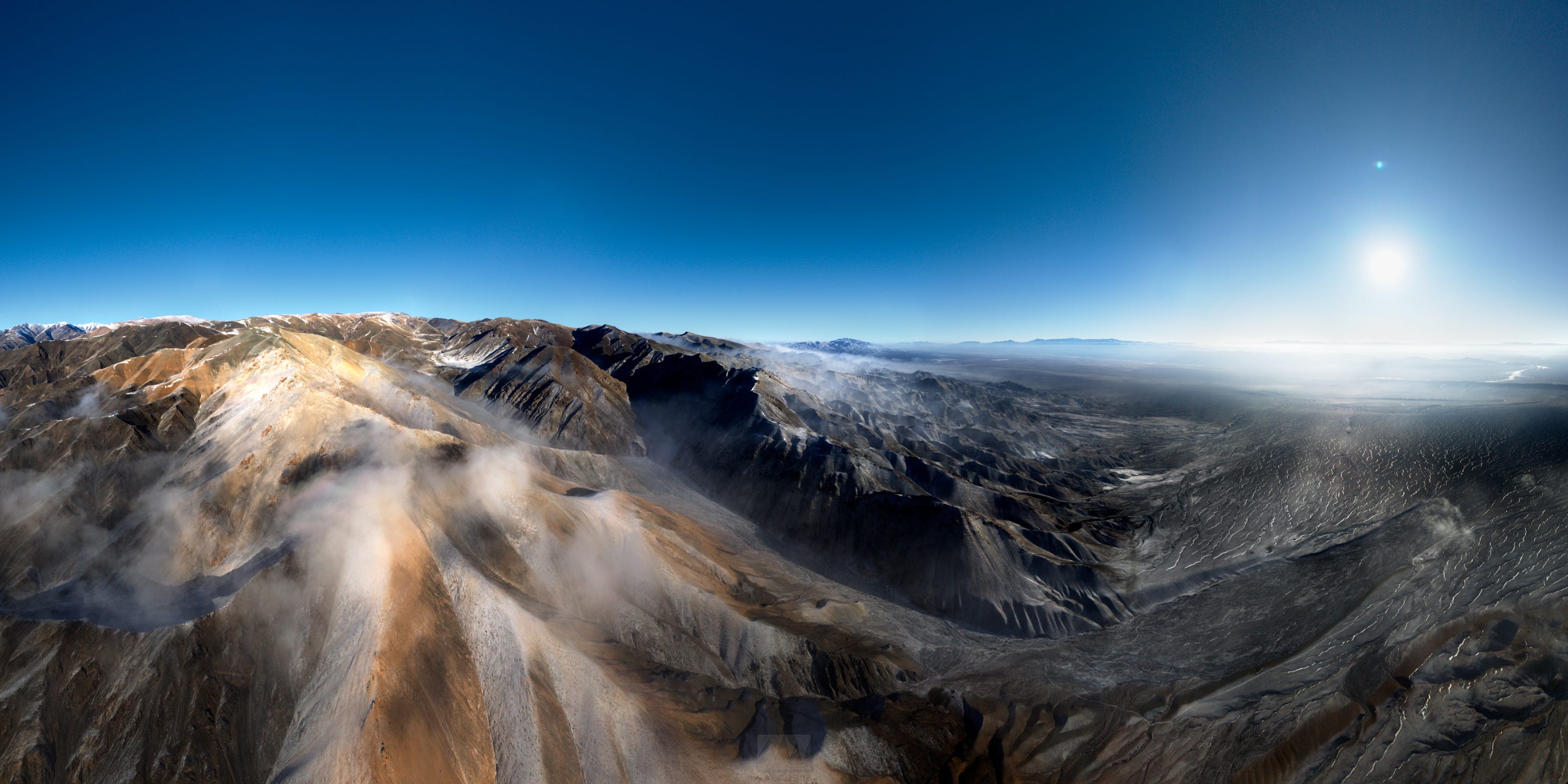
It’s what I love about the outdoors. You can never really know what’s going to happen. Everything can simultaneously go wrong, and right, all at the same time. To be allowed into their home and wander about their backyards, it’s a very special privilege the snow leopards awarded us.
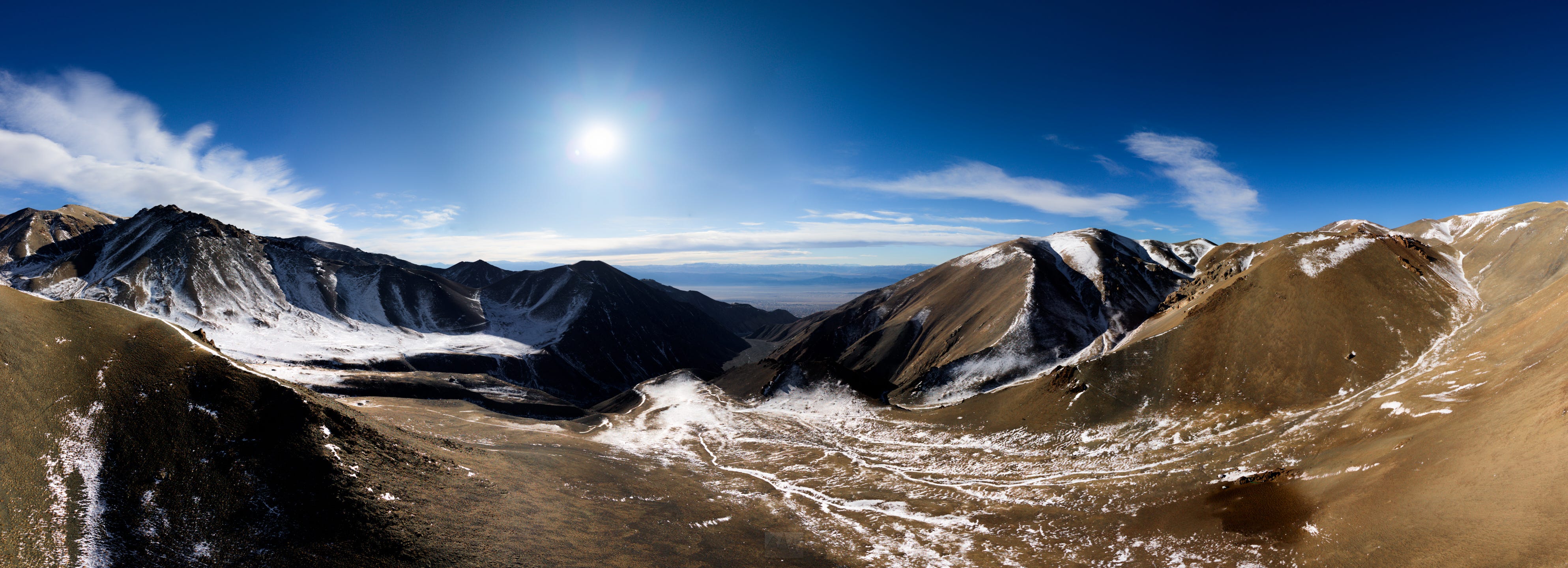
With our time in the Altai mountains at an end, our search for cats brings us to the Eastern Steppe, an area a 12 hours drive away from Ubi.
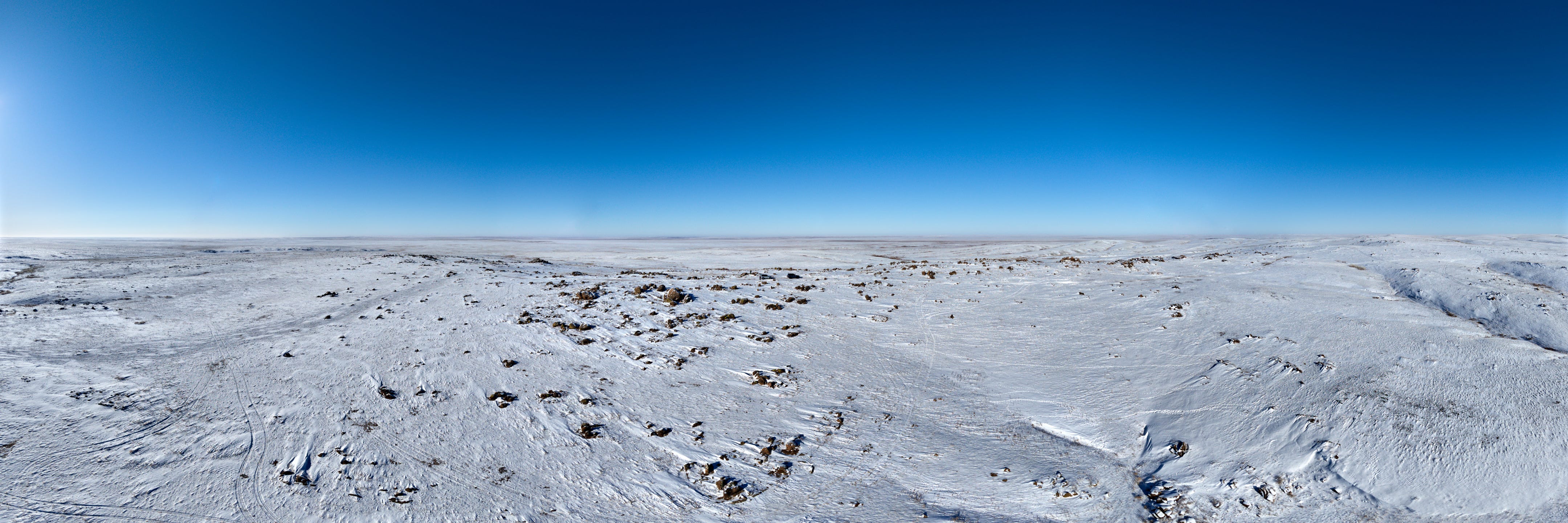
Gentle, rolling hills, wetlands, and treeless plains, the Eastern Steppe is home to the largest intact temperate grassland on earth. Here, pristine grasslands, the last of its kind, form a massive expanse on which chinggis khan and his army once battled.
It’s out here that we’re looking for the Manul, or Pallas Cat.
The Manul is a little cat - underneath all their fur, they’re not much larger than the average domestic house cat.
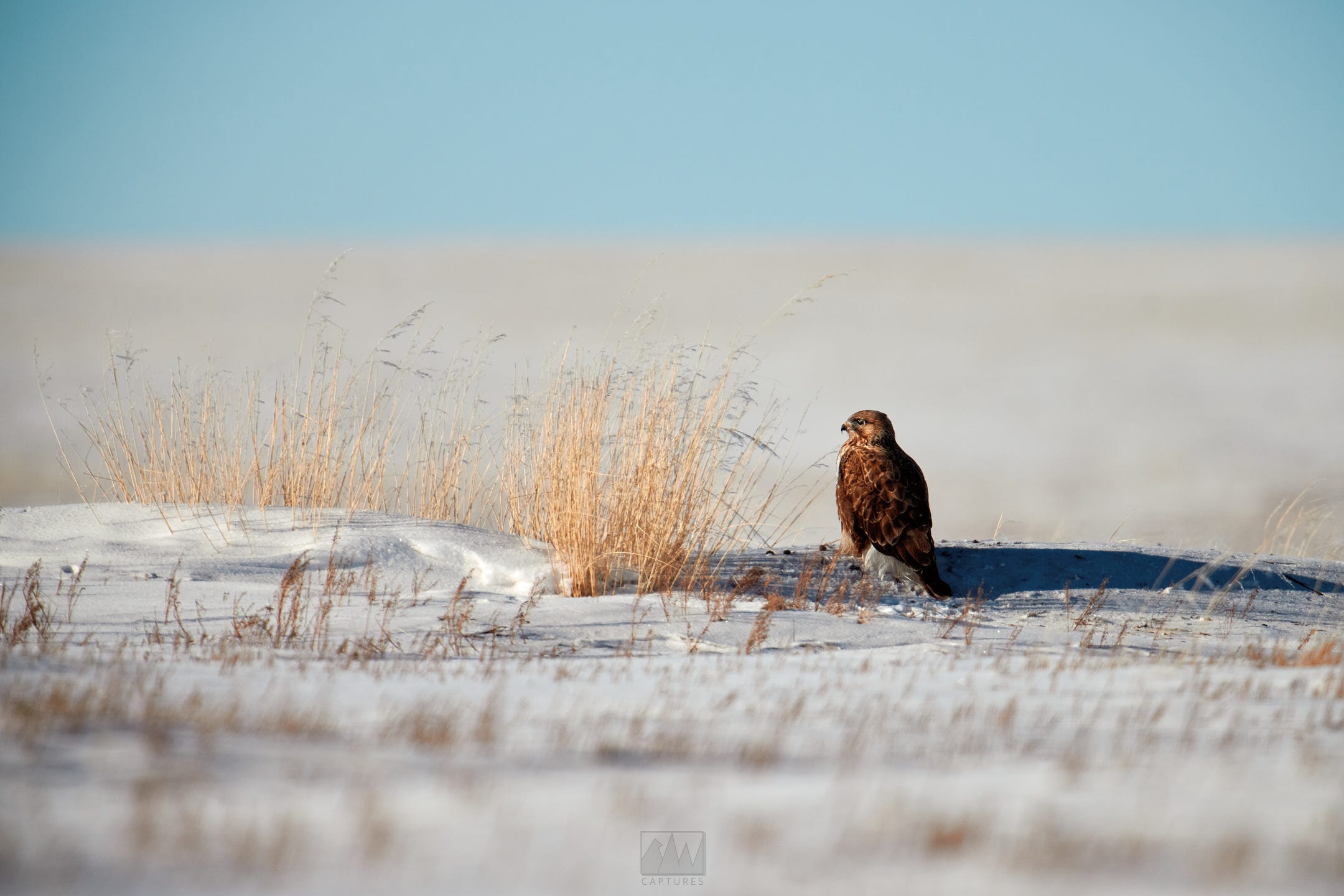
Once described by sir David Attenborough as the grumpiest cat in the world, these little guys weigh up to 5kg (11lbs), grow to 65cm (25in) in length, with famously short and stocky legs.
Despite their hilariously cute appearance, to me, the pallas cat’s claim to fame is their fur. It’s the densest of all the cats, more than capable of keeping them warm, even as temperatures plummet beyond any hospitable limit. And that would come into handy, as over in the east, winter had finally arrived, with temps diving down to -50c (-58f) and even colder for the rest of the journey.
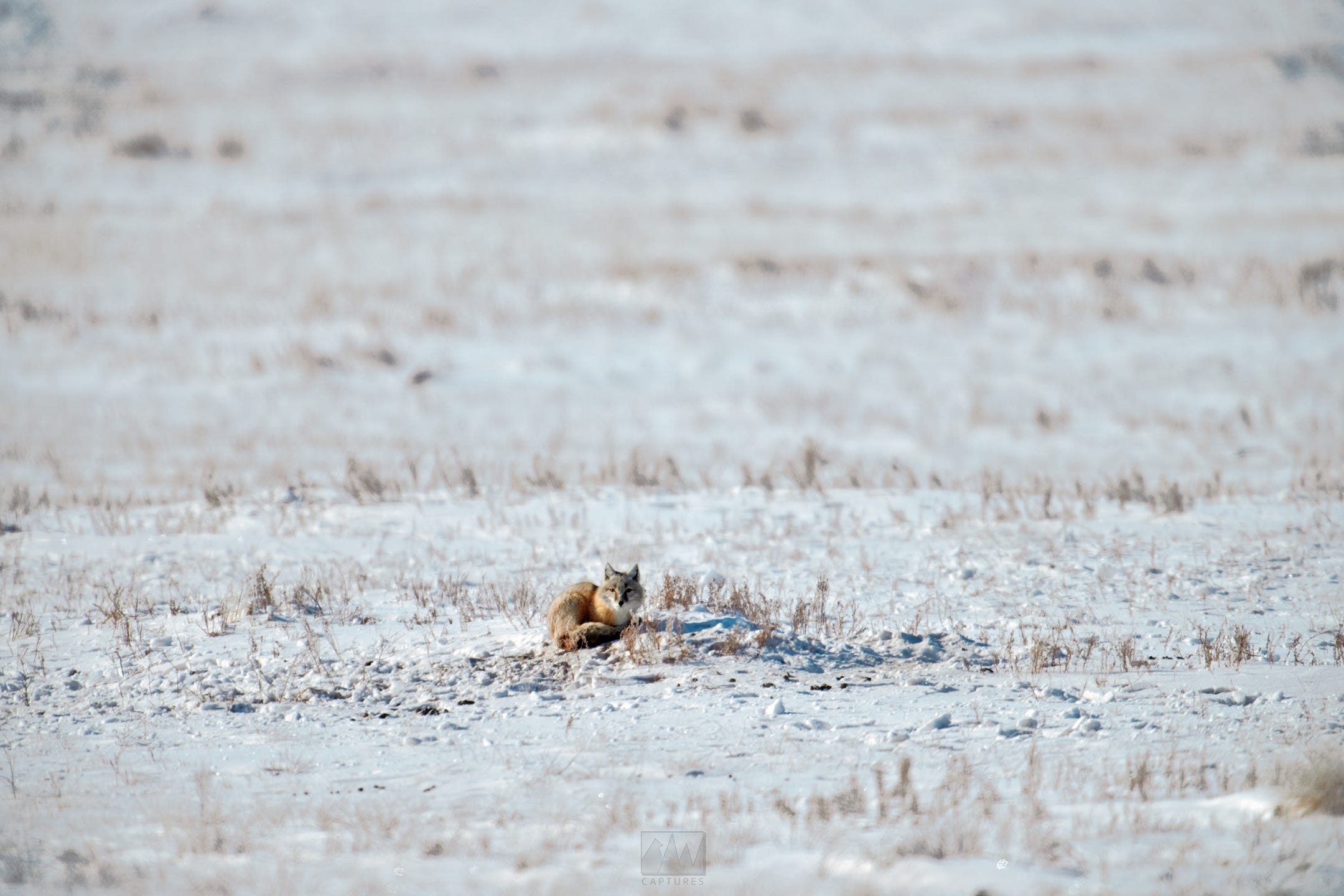
It’s cold. Colder than I ever imagined possible. But to the locals, and the cats, it’s just another day.
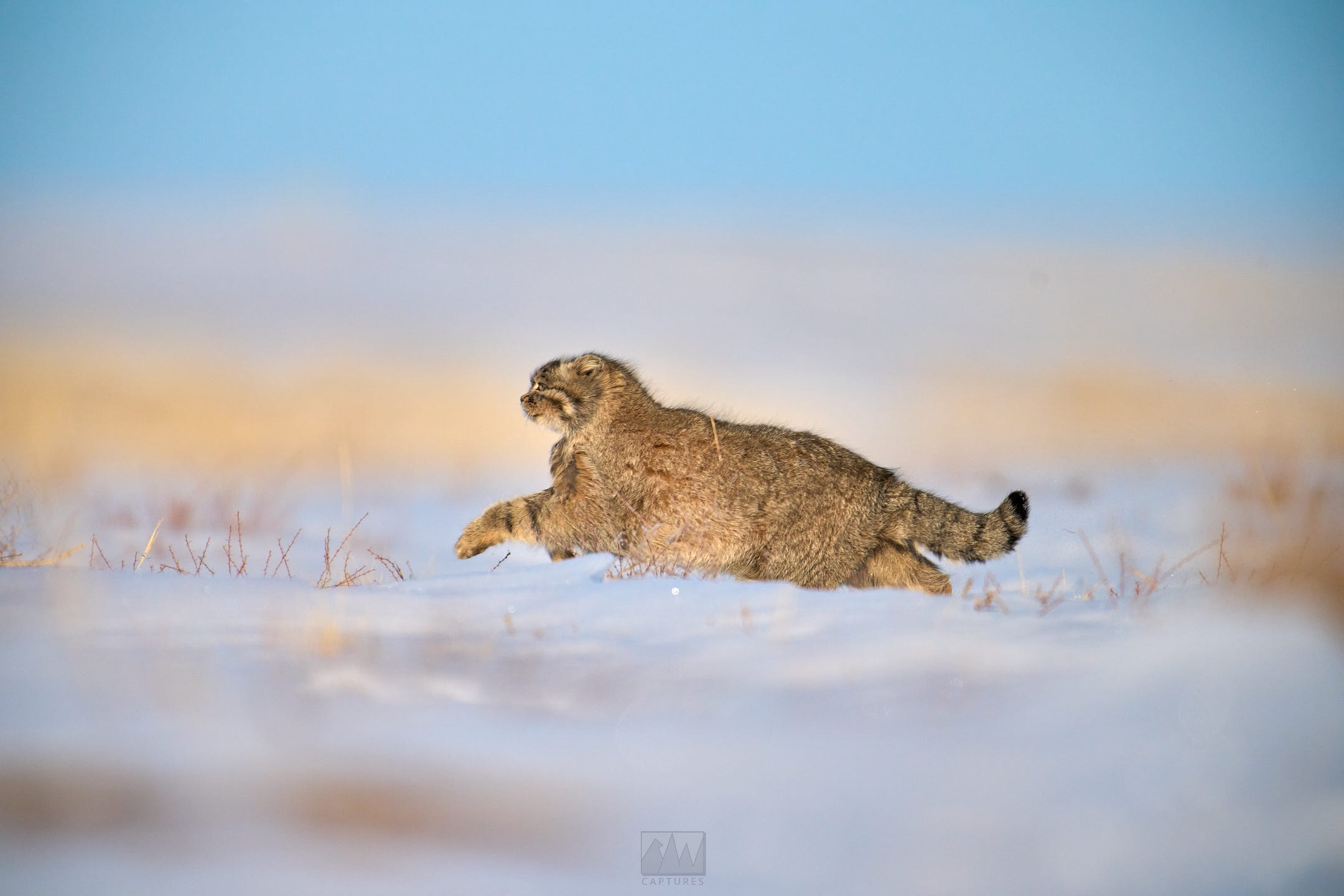
Out here in the middle of nowhere, the manul hunts on voles, while attempting to keep the golden eagle at bay.
Despite seeming completely flat, the terrain is actually full of valleys and scattered stacks of boulders - a symptom of Mongolia’s extreme temperature fluctuations.
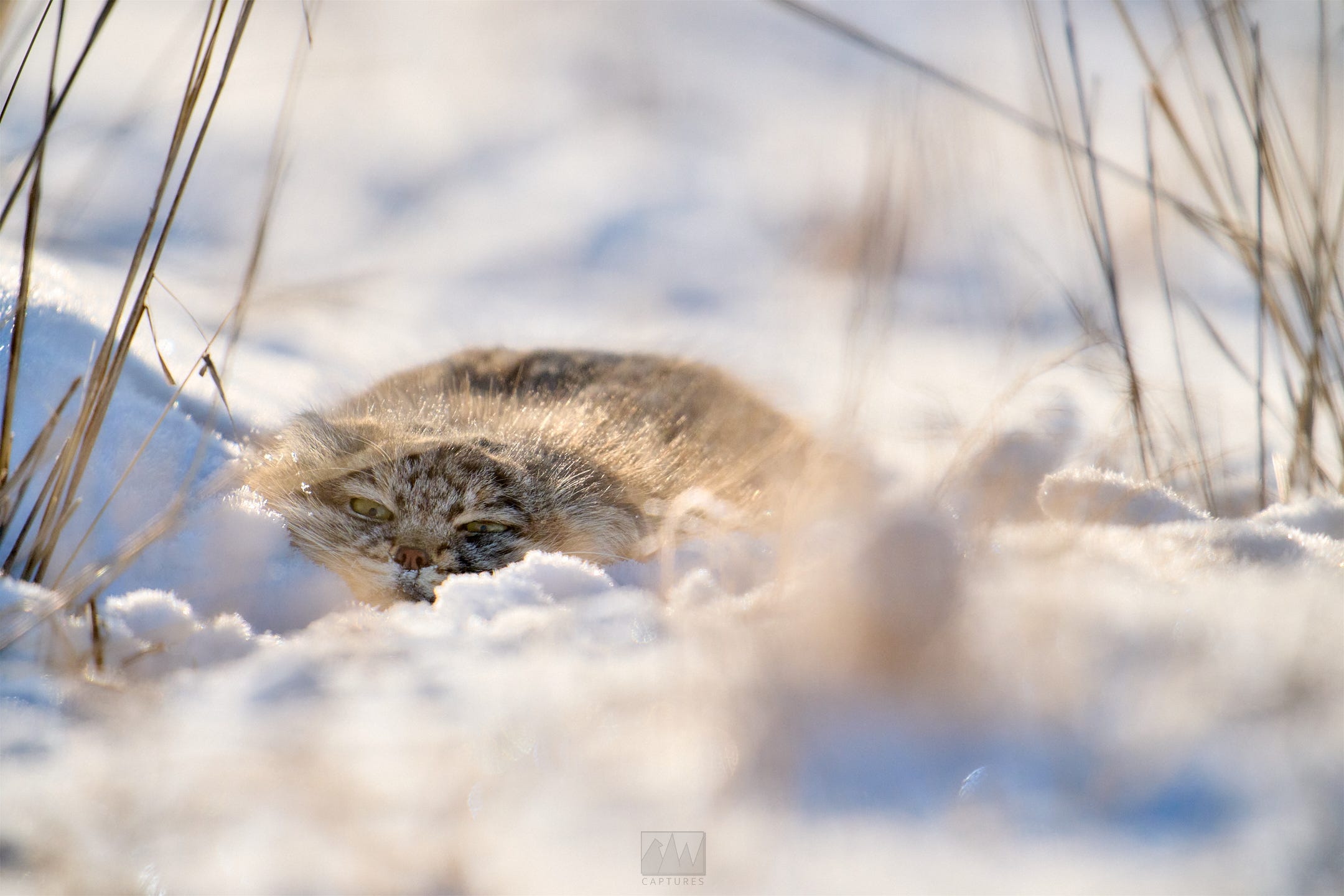
As the seasonal permafrost forms in the winter, and melts in the summer, it quickens the erosion of the land, unearthing these massive boulders and rock deposits that the wildlife here call home.
To get here, we turned off the main road and drove for three hours out into the Sukhbaatar aimag. Again, without so much as a trace of life.
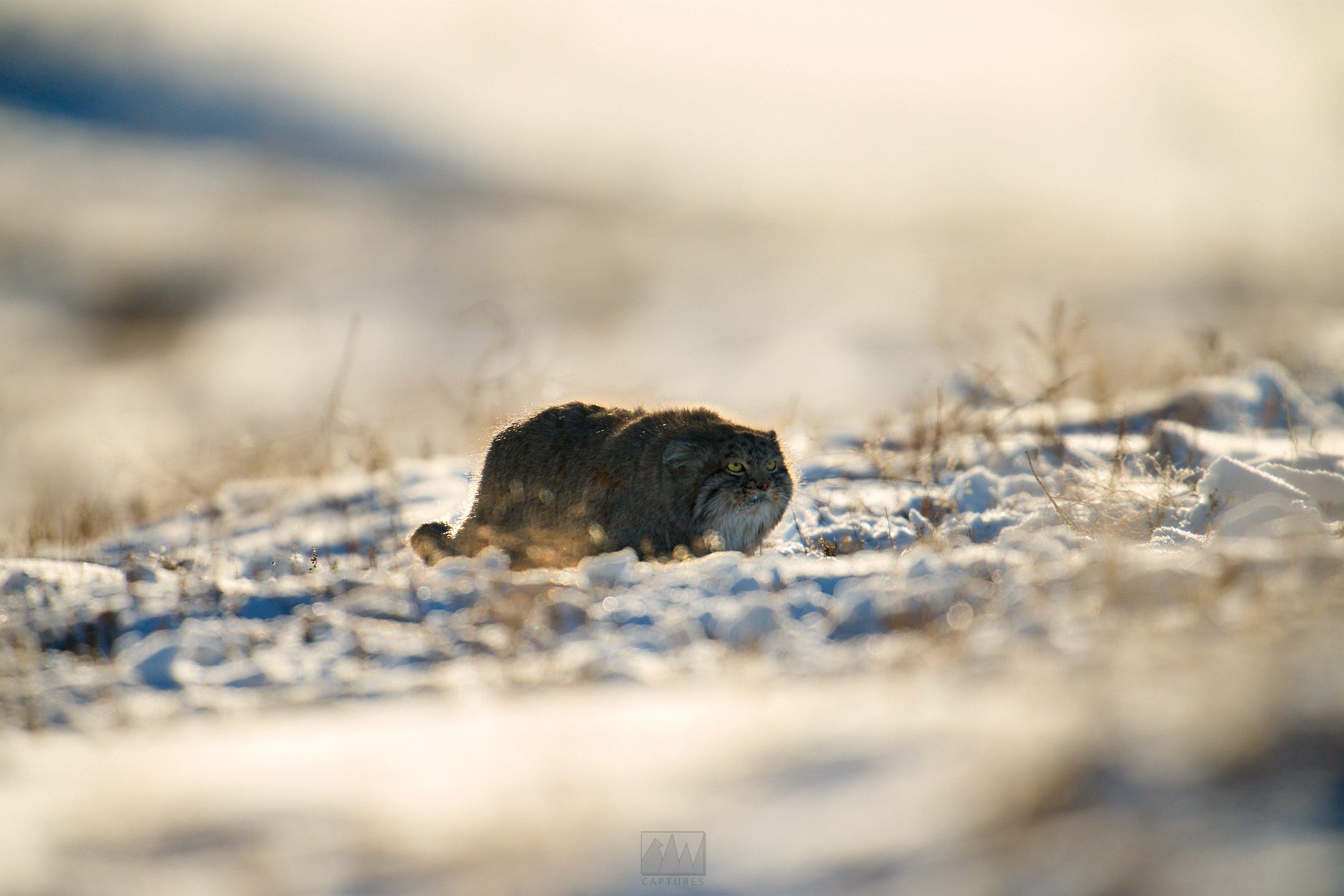
Unlike the snow leopard, reigning the mountains, pallas cats are extremely
skittish, owing to their size.
Catching a glimpse of them outside their burrows is a tricky endeavor, one requiring extreme patience and resilience.
Like the common house cat, the manul are crepuscular, meaning they’re active at dawn and dusk. However, because of the harsh winters, they also tend to hunt during the day, when it’s a little warmer
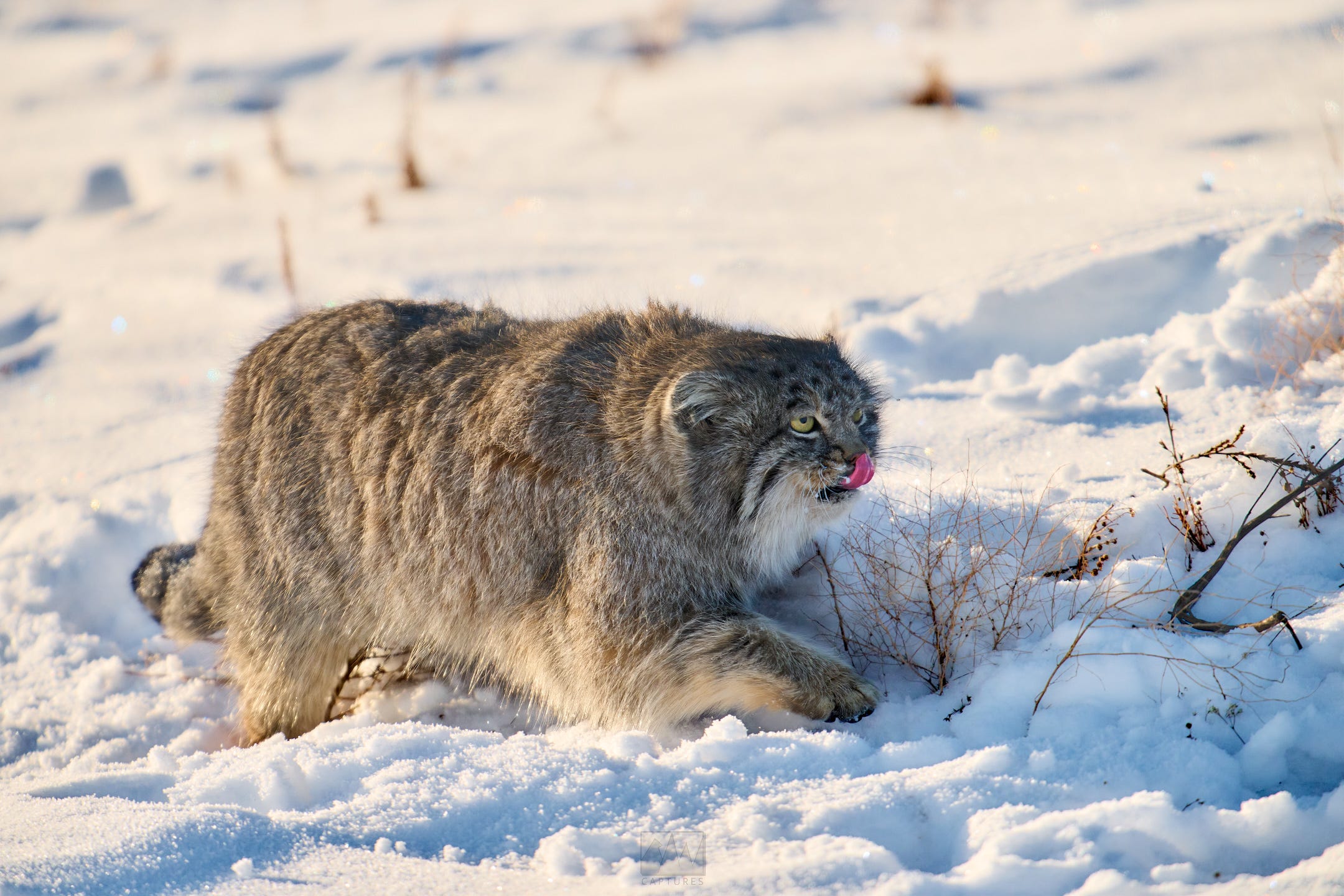
With slightly more success than out west, the clear skies and good fortune kept rolling in. Far from the auroral oval, the skies still put on a show.
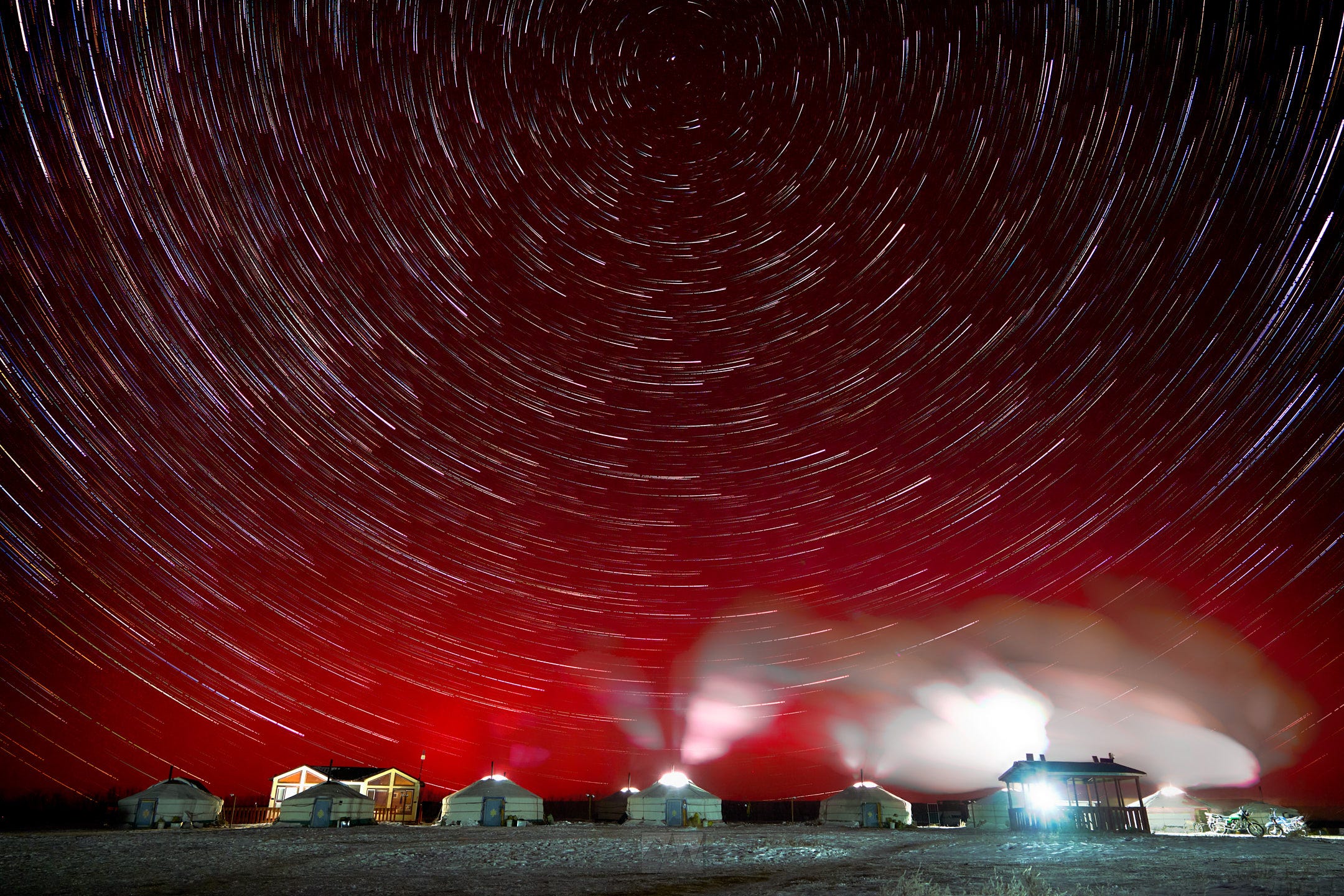
I don’t know why I always find myself drawn to these kinds of environments. Where the air is so cold, every breath bites your lungs, every exhale freezes onto your face and ruins your hair.
But there’s just something about being out here, in the elements, with these animals, getting to live with them in their environments and studying their behaviors
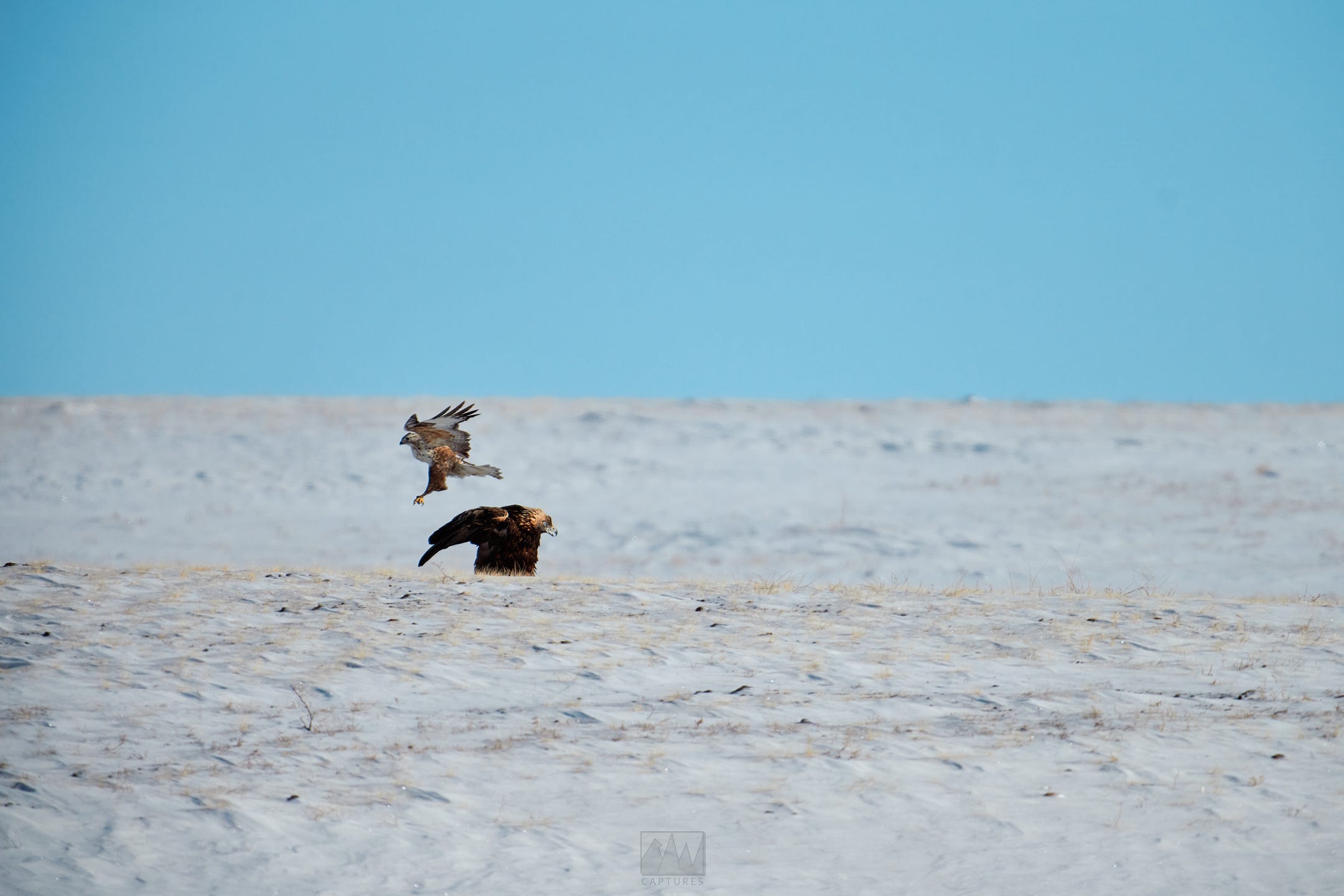
It’s a kind of intimacy, and connection with the world that’s just not present anywhere else.
Being invited into the homes of these cats is truly nothing short of special. On one end, the irves commands respect, and reverence upon entry. On the other, visiting the manul’s home requires an immense amount of time and trust.
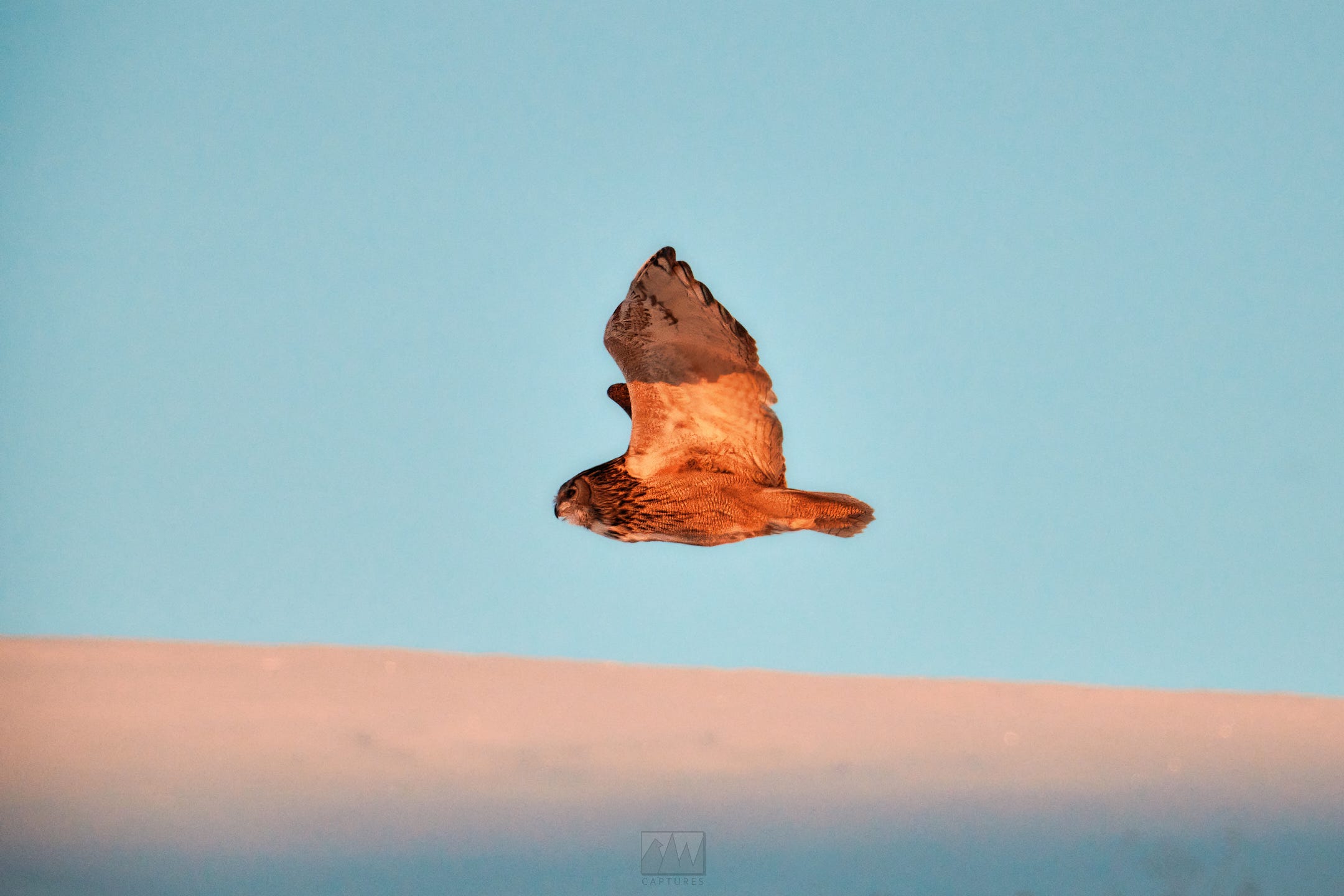
Letting your guard down is never really easy. It’s an uncomfortable thing to do, even for us humans with all our knowledge and technology. I think maybe pet owners might relate - when that new cat or dog finally opens up to you after bringing them home for the first time. Earning their trust and getting to see their personalities shine is always a great feeling. And it’s much the same out here, with these cats.
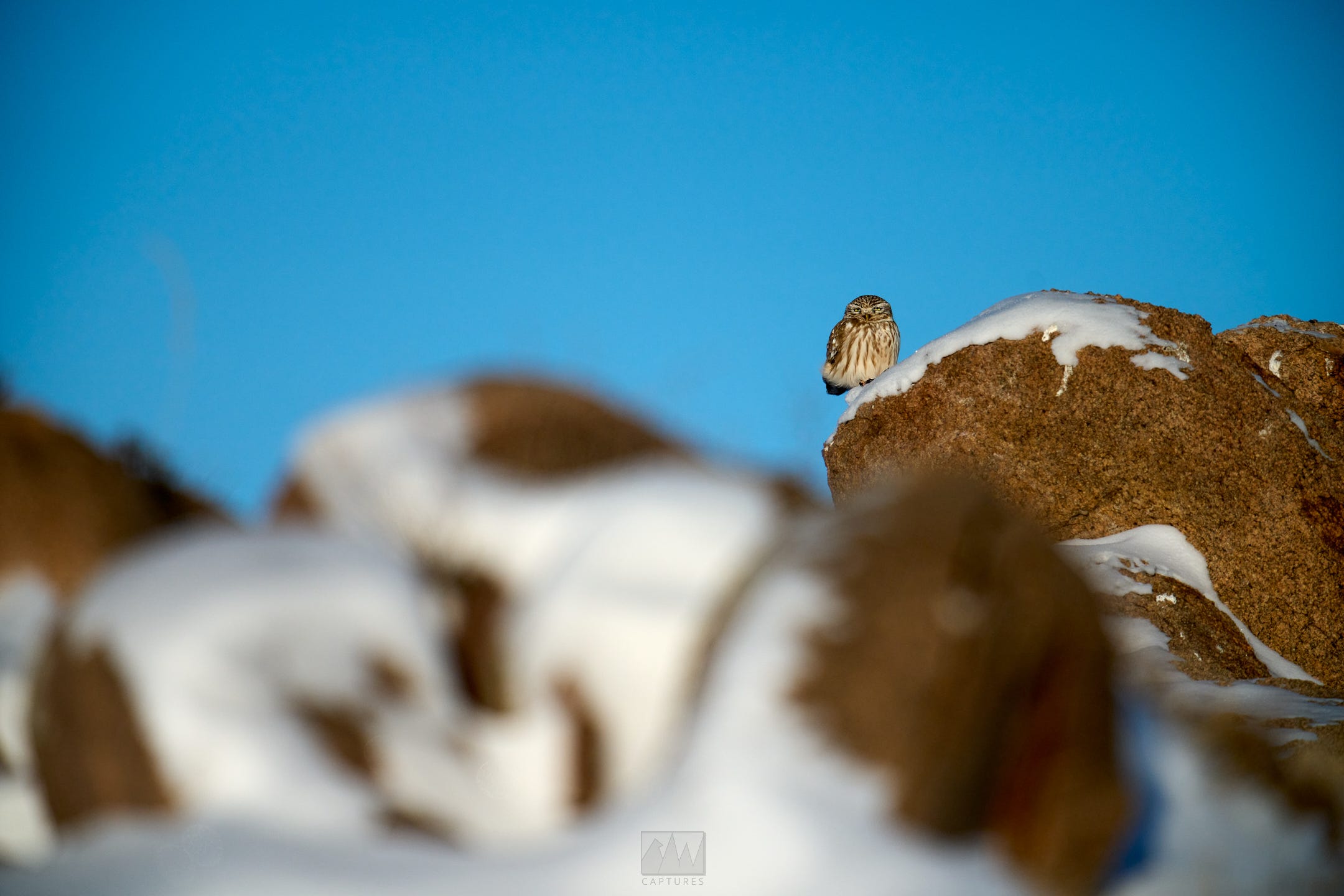
Reusing abandoned marmot burrows, these cats are smart and like to have others do the work for them. Their short stubby legs don’t lend themselves well to digging, after all. Deep snow like what we have here also proves a bit of a challenge.
Instead of chasing after their prey, the manul hides itself near vole burrows, pouncing upon their entry or exit. However, voles are fast, and the air is cold, so the cats can only wait for so long, even despite their immense fur.
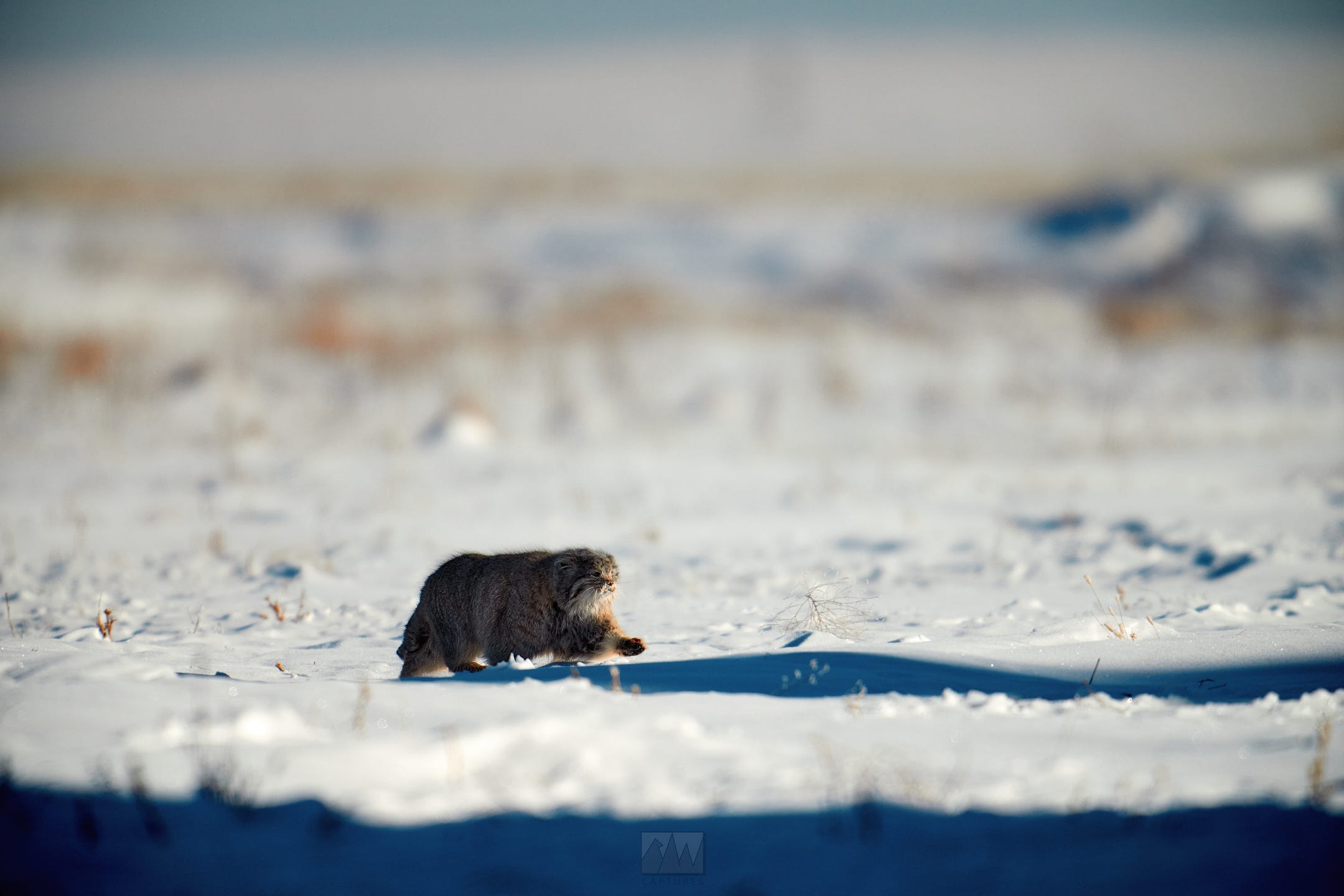
Much like our attempt in the west, our expedition out east had an excellent start, a lull in the middle, and an unexpected, but very strong finish. The cats proved elusive, with temps dropping so low that they refused to leave their dens, understandably so.
But you know, getting this insane place all to ourselves, cat or not, well it ain’t too bad.
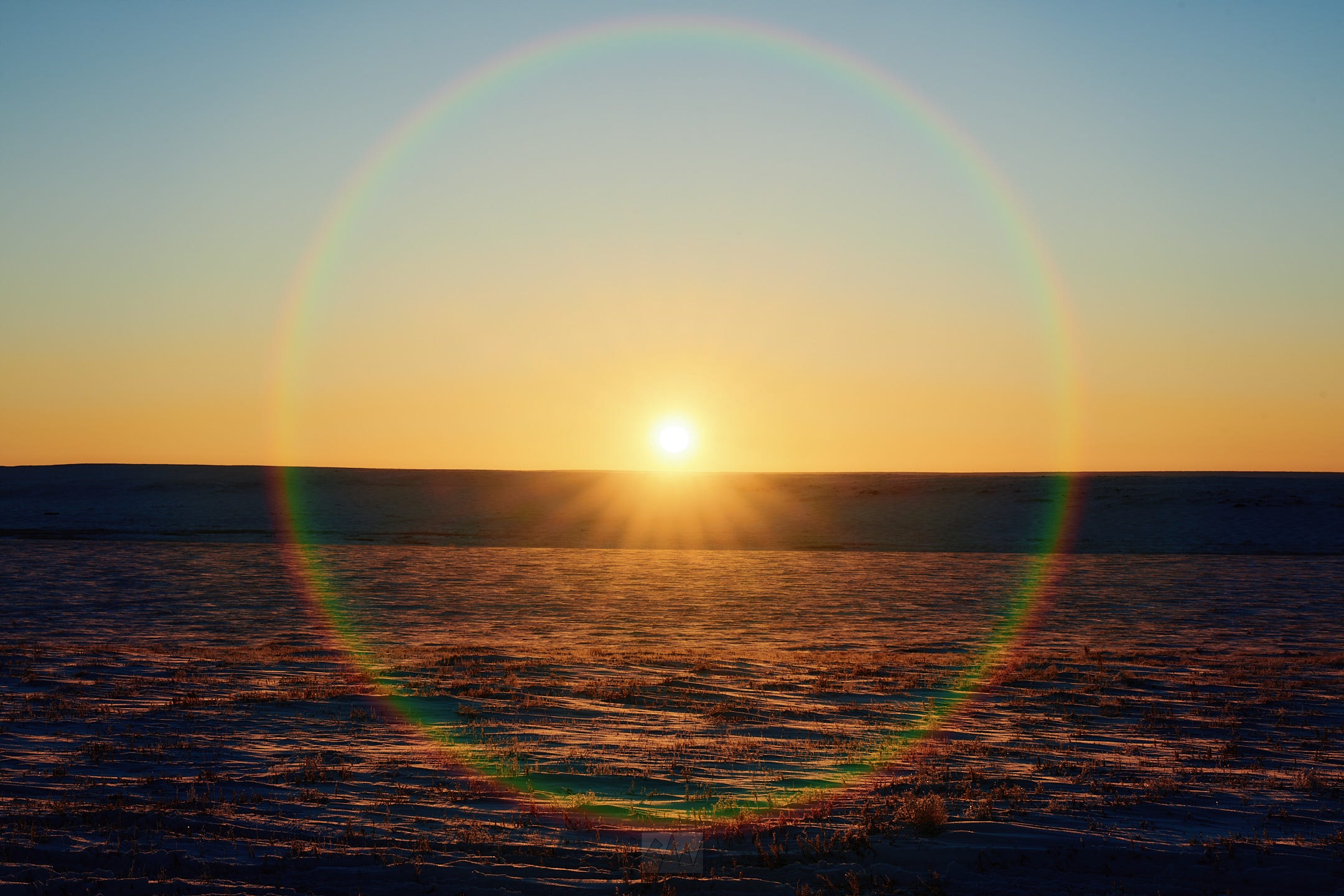
It’s how it always goes, with things like this right? The more you want to see something, the harder they are to find.
But if there’s one thing that I’ve learned across my life, it’s to just pay attention.
Because, at least for me, the more you focus on something, the less likely you are to see the world around you. And you know, it’s a damn beautiful world out here.
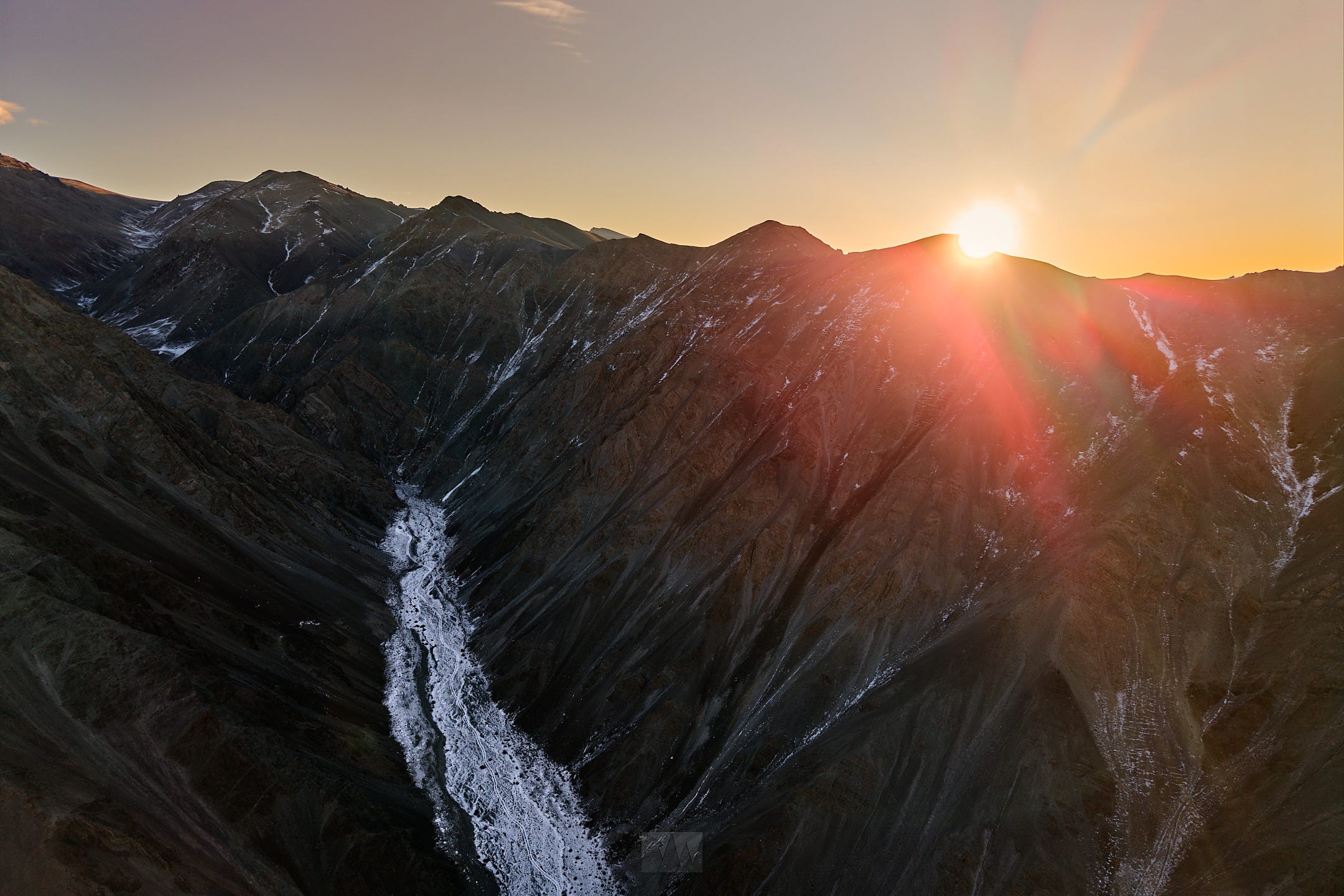
While cats were the main attraction, it’s hard not to fall in love with this astounding landscape and the variety of creatures that inhabit it.
I’ve had the extreme fortune throughout my life, to have visited over 60 countries. I’ve sailed across all the oceans, to all the continents, and nearly all the seas. I’ve seen, done, and felt a lot.
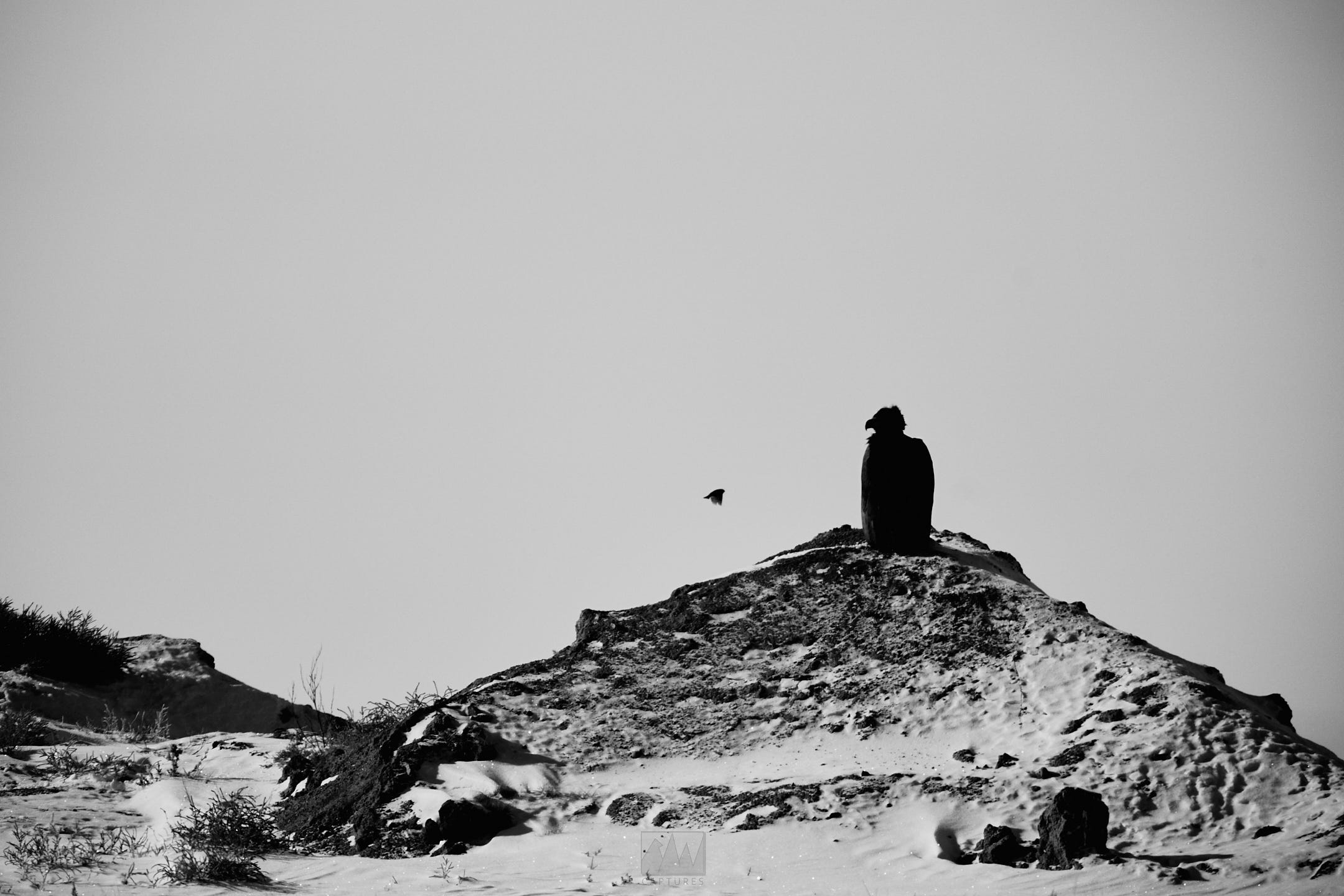
Across all my experiences, Antarctica is the only place that’s truly left me speechless. At an utter loss for words. But after a month of traversing the land, living with these trackers, herders, researchers, and cats, that familiar overwhelming feeling of awe that I experienced down south made a return.
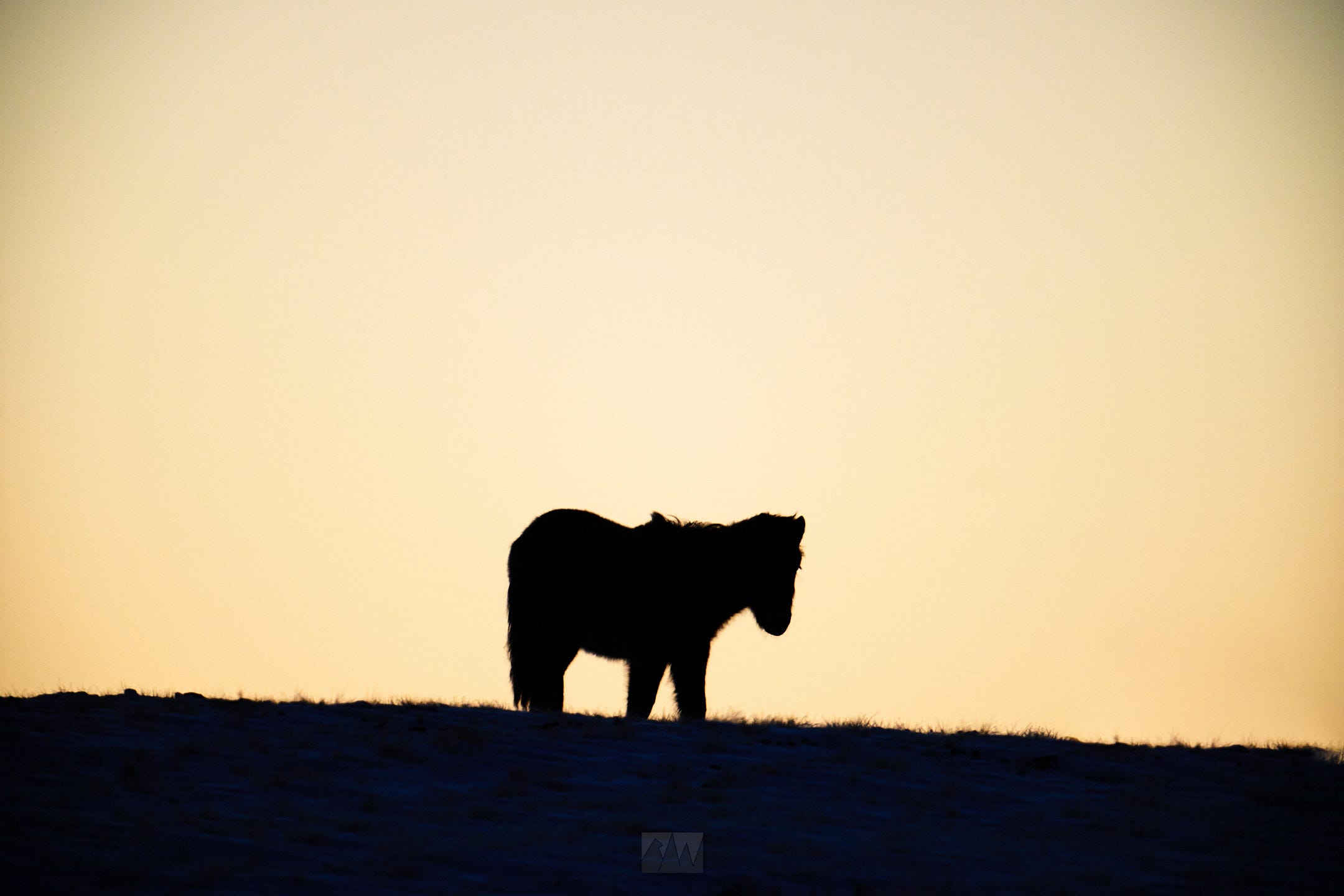
I didn’t know what to expect before coming here. Central Asia had been on my mind for quite a while, but I’d planned to start doing more climbing and mountaineering this year and didn’t really have it on my radar. Instead, I get a call from my friend Karthik, asking if I wanted to come check this place out. and just two months later, here I am, in the middle of nowhere, freezing my butt off, having the time of my life.
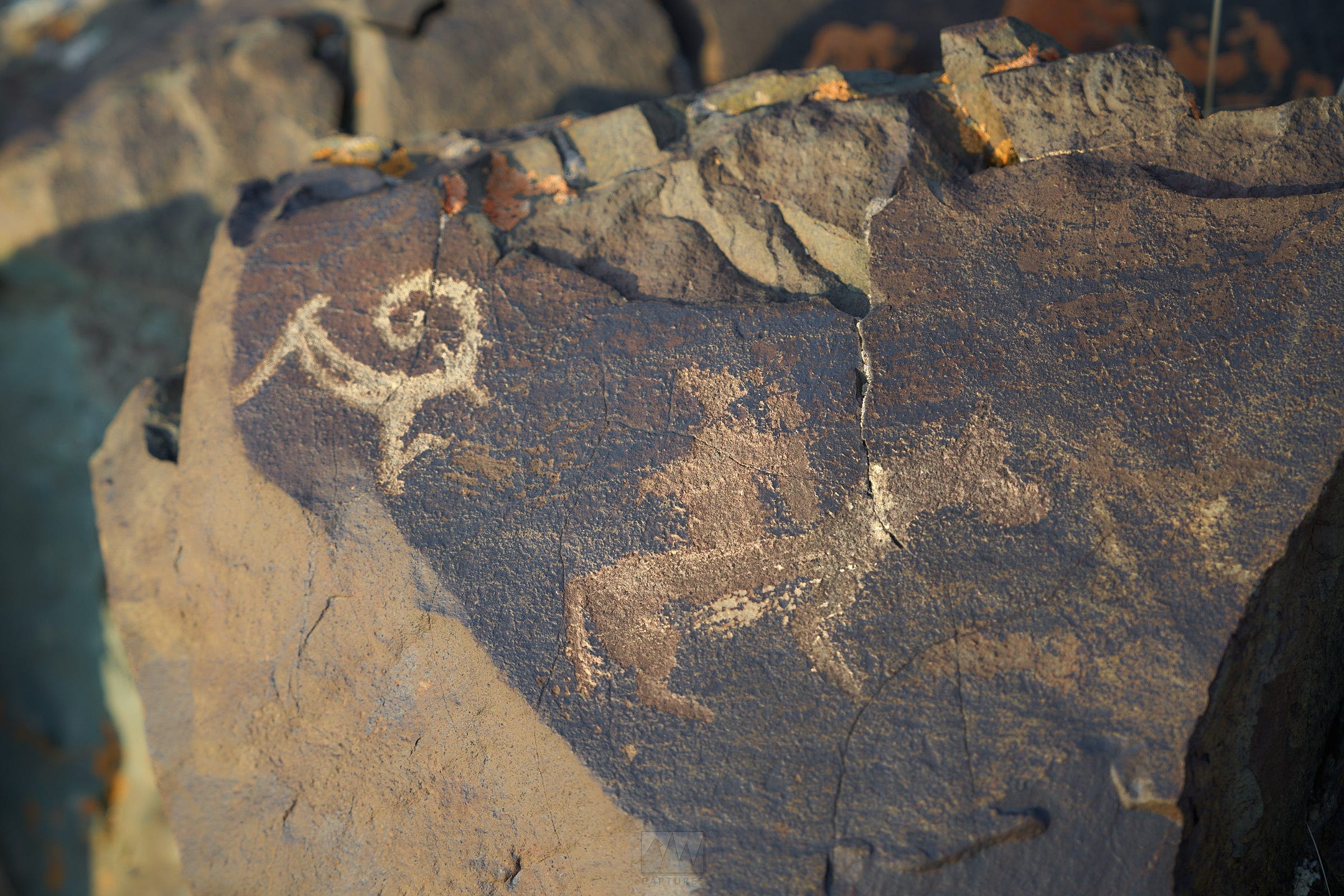
It’s fair to say that this has been one of the toughest trips of my life. The weather was brutally and relentlessly cold. I sprained my ankle midway through the first week, making the climbing extremely tough. I learned of the passing of a very dear friend midway through the trip. And to top it all off, I don’t have a single decent photo of a snow leopard.
But on the other hand, it was a month full of laughter, jokes, and a reminder that despite being a team assembled from different ends of the globe, we could all still come together and break bread, have some tea, and spend some time with these amazing animals, in this absolutely astounding slice of Earth.
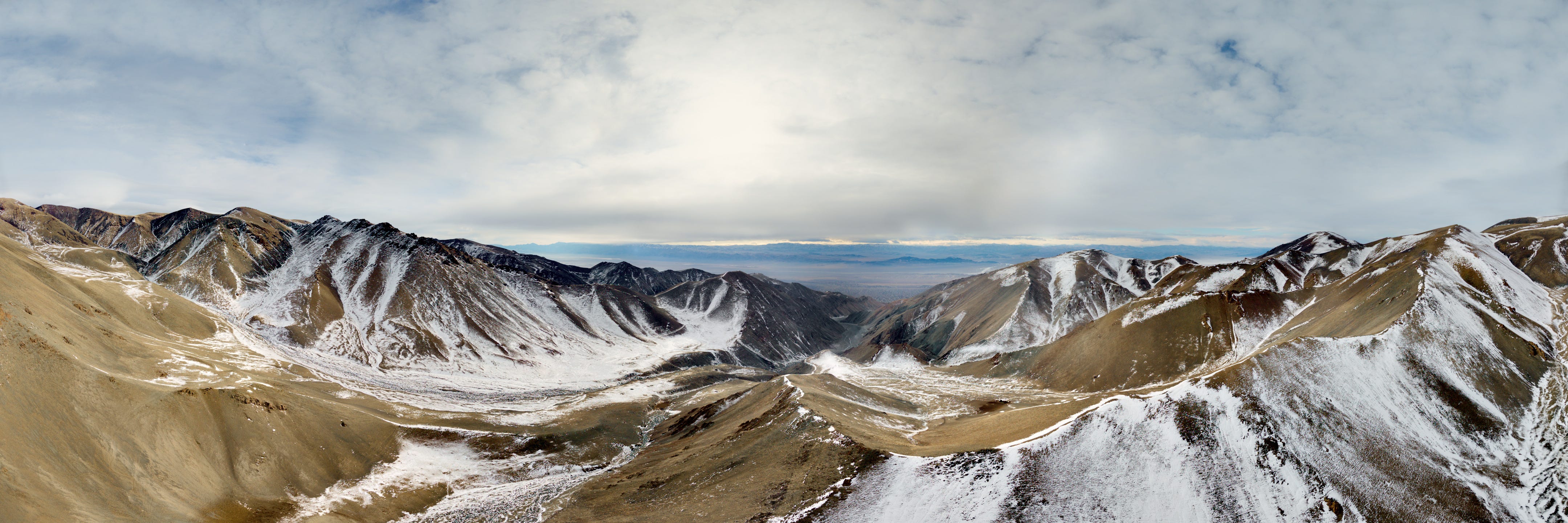
I’m Ryan. I’m an environmentalist, adventurer, and photographer. Thank you so much for reading and supporting my work. Special thanks to all that made this trip such a great one.
https://www.steppewildlifetour.com/
https://wildlensnature.tours/
Dedicated to my dear friend, Gia. Love you, miss you, and I’ll see you soon.